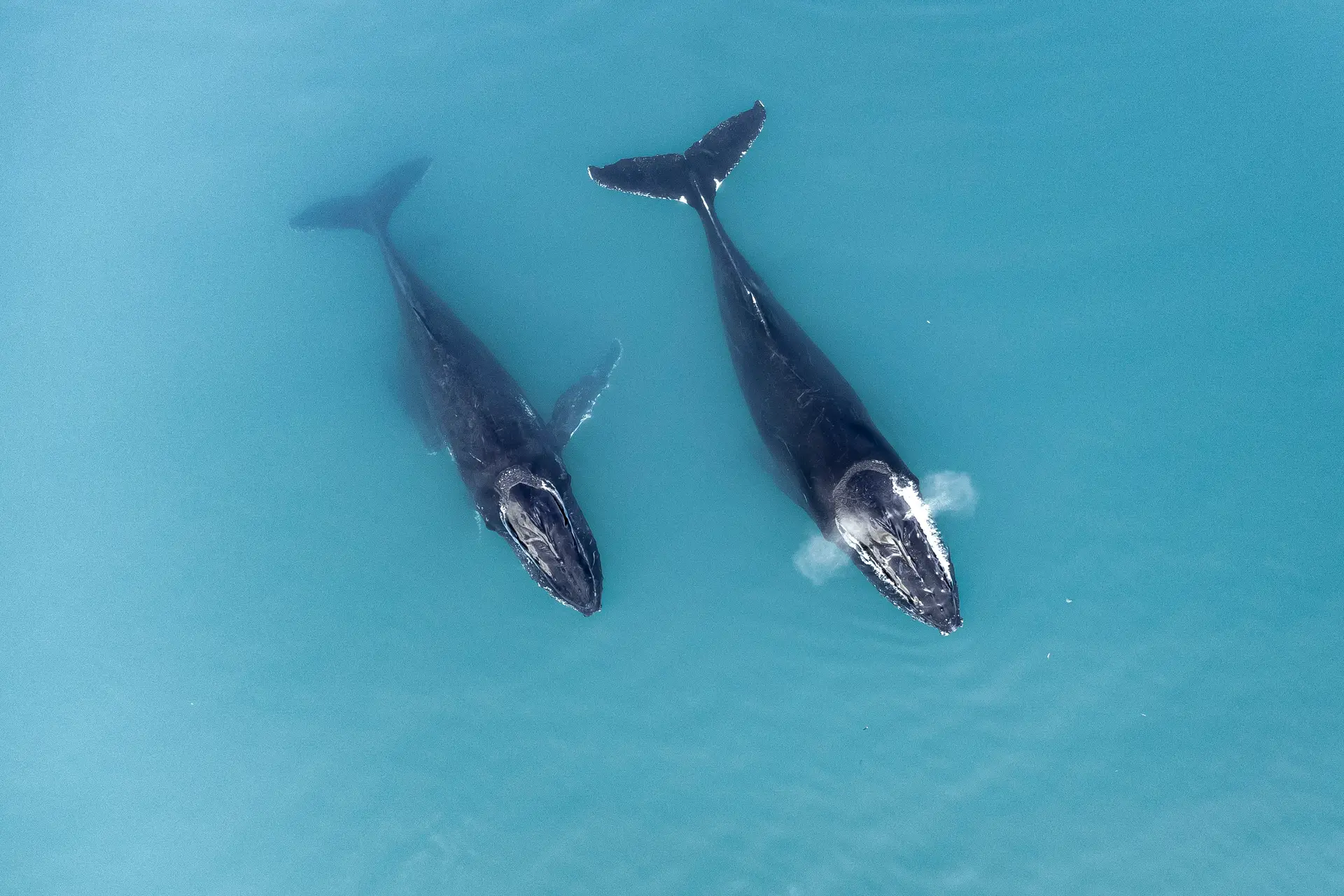
Aliwal Shoal
South Africa · KwaZulu-Natal
Aliwal Shoal off South Africa's KwaZulu-Natal coast is the country's iconic shark dive — ragged tooth (sand tiger) sharks in winter, blacktip and tiger shark baited dives, plus the sardine run in season when it passes through.
How this reef is doing
ⓘ How we measure thisReef state
Sardine run support reef. Coral cover modest in this subtropical zone; sharks and pelagics dominate.
Coral cover
Fish life
Heat
No unusual heat right now.
Fishing
Protected on paper, but boats are still busy nearby.
Sources · GCRMN reef surveys · NOAA Coral Reef Watch · Global Fishing Watch and reef gravity
Coral cover over time
Live coral cover, by survey year
Across surveys in 2014 and 2024, live coral cover here has fallen from 33% to 27%. Every point is a real survey reading, never a projection.
Live coral cover, percent by year
| Year | Coral cover |
|---|---|
| 2014 | 33% |
| 2024 | 27% |
What you will see
26 species across the dive sites here
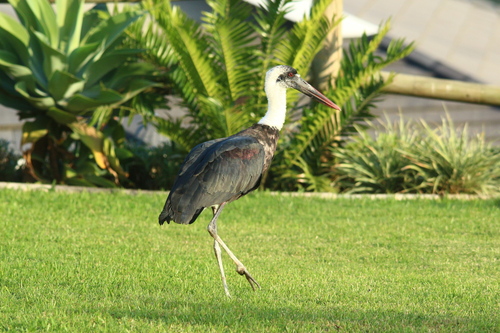
African Woolly-Necked Stork
Seen 2 months ago
at Cathedral
Least concern
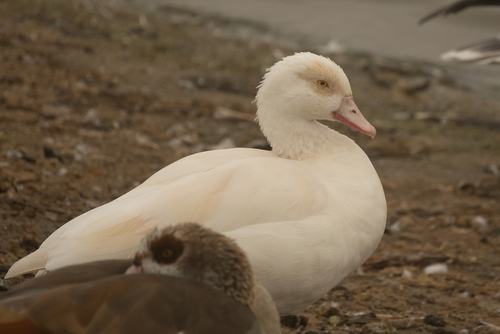
Egyptian Goose
Seen 2 months ago
at Cathedral
Least concern
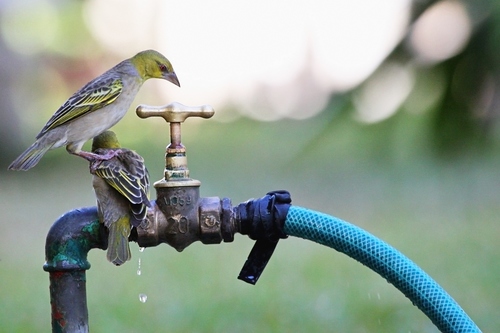
Village Weaver
Seen 2 months ago
at Cathedral
Least concern
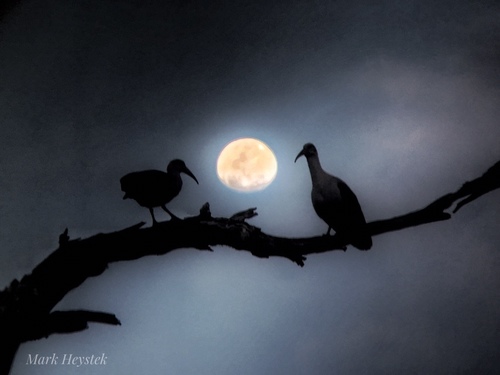
Hadada Ibis
Seen 2 months ago
at Raggie Cave
Least concern
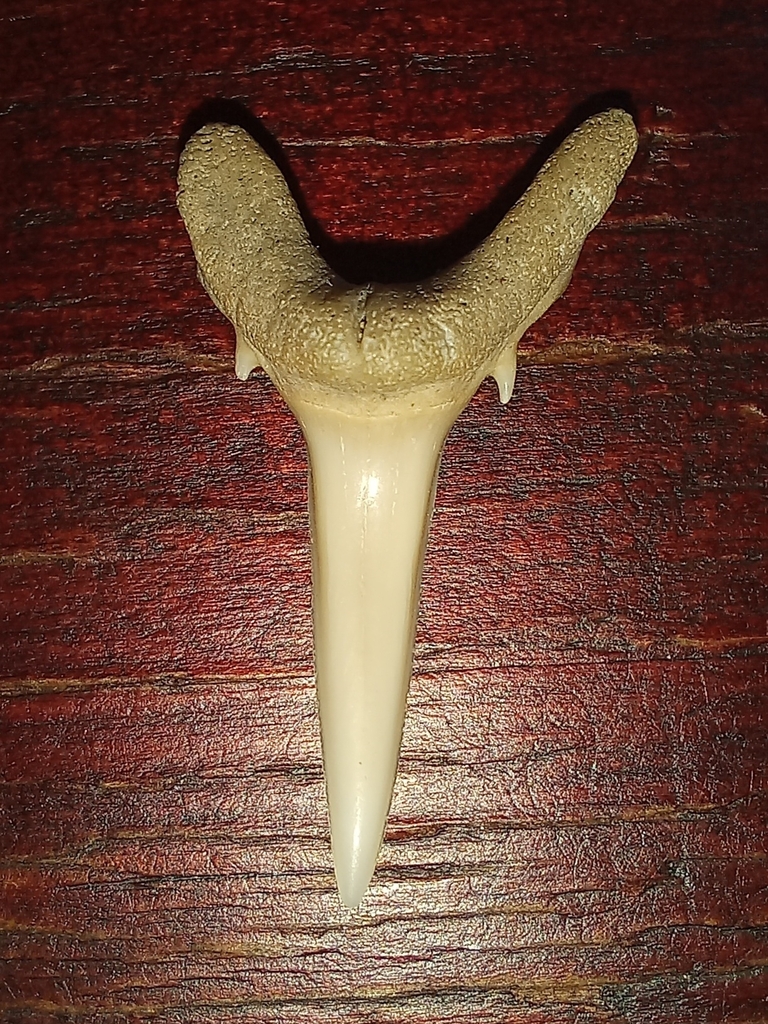
Ragged-tooth shark
Seen 3 months ago
at Cathedral
Critically endangered
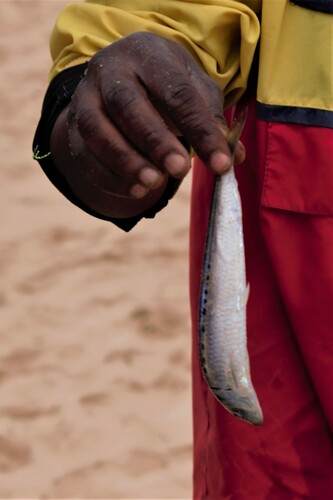
Southern African pilchard
Seen 4 months ago
at Sardine Run
Least concern
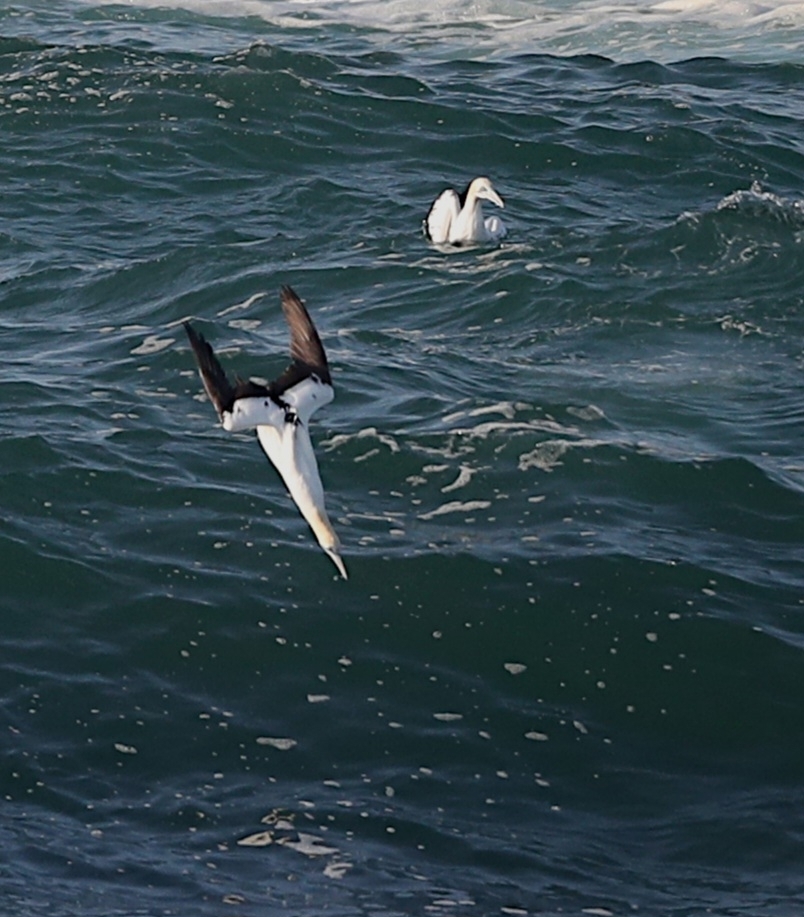
Cape gannet
Seen 5 months ago
at Sardine Run
Endangered
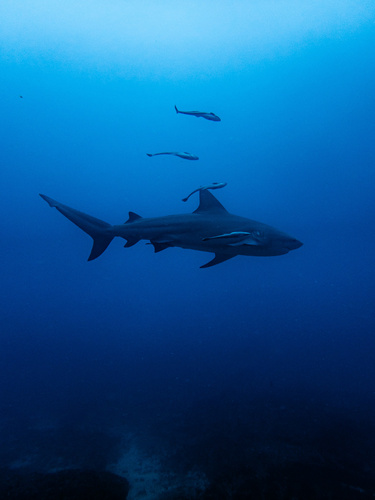
Bull shark
Seen 8 months ago
at Protea Banks
Vulnerable
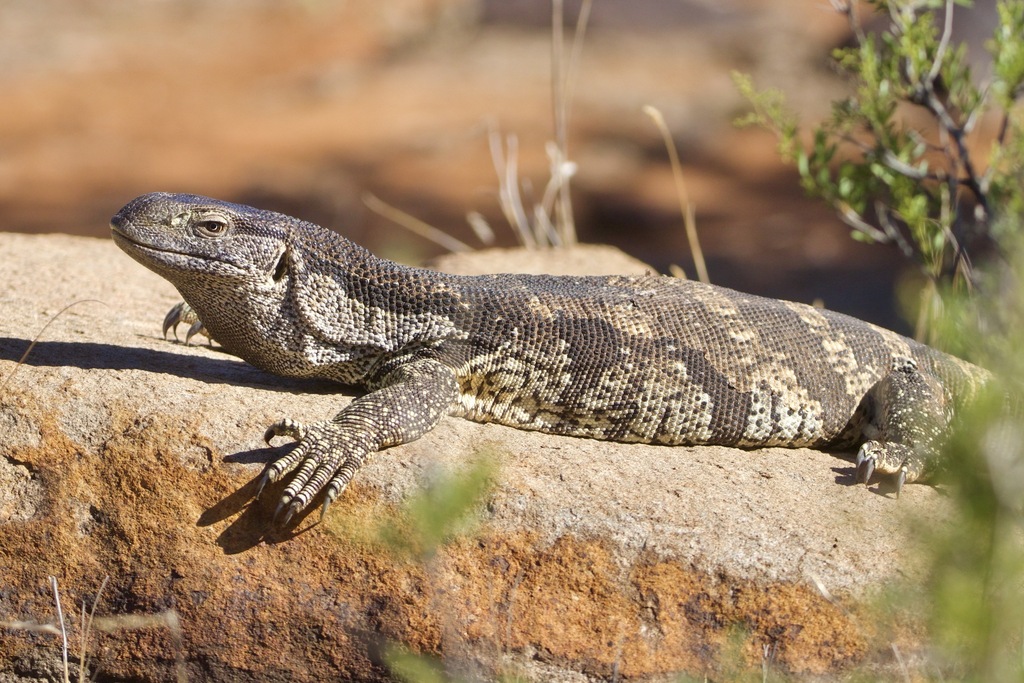
Rock Monitor
Seen 9 months ago
at Boesmansgat
Least concern
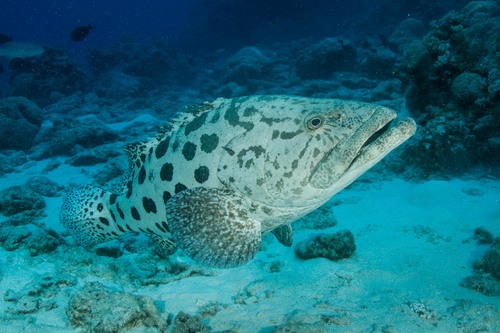
Potato bass
Seen 10 months ago
at Cathedral
Least concern

Bottlenose dolphin
Seen 10 months ago
at Raggie Cave
Near threatened
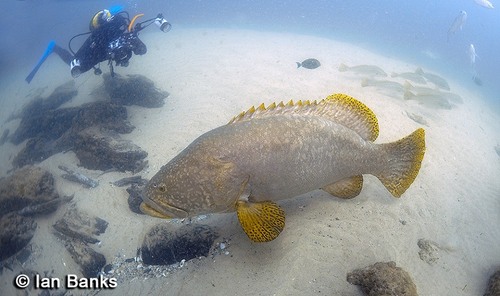
Brindle bass
Seen Apr 2025
at Cathedral
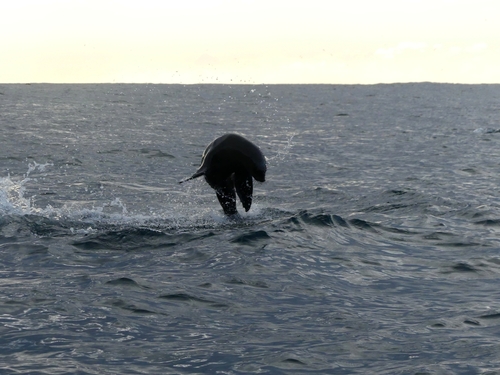
Cape fur seal
Seen Sep 2024
at Sardine Run
Least concern
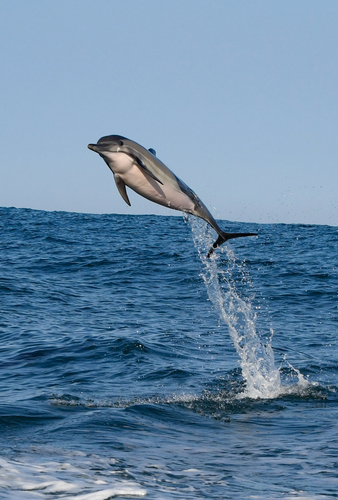
Common dolphin
Seen Sep 2024
at Sardine Run
Least concern
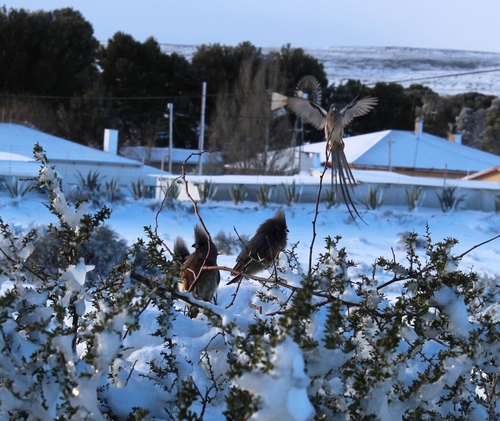
White-Backed Mousebird
Seen Aug 2024
at Boesmansgat
Least concern
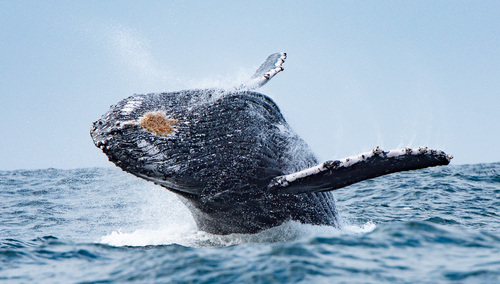
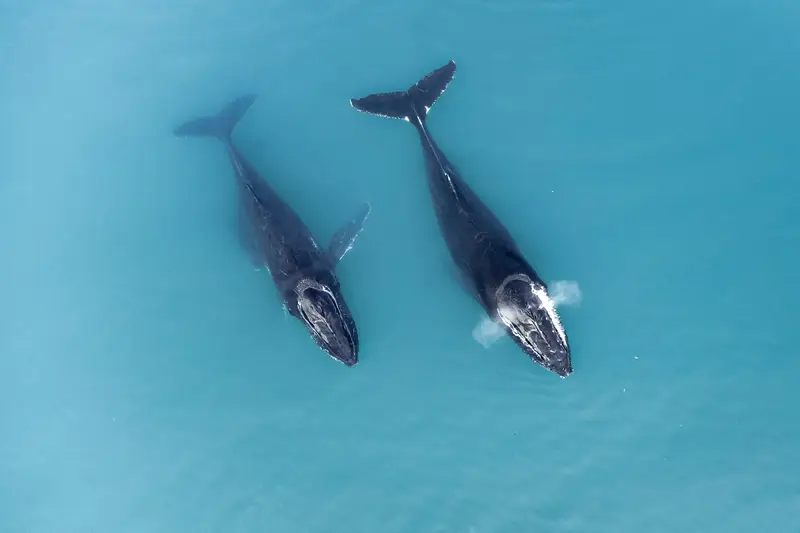
Humpback whale (audible)
Seen Aug 2024
at Raggie Cave
Least concern
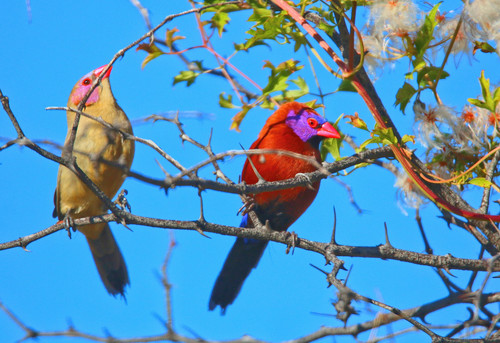
Violet-Eared Waxbill
Seen Jul 2024
at Boesmansgat
Least concern
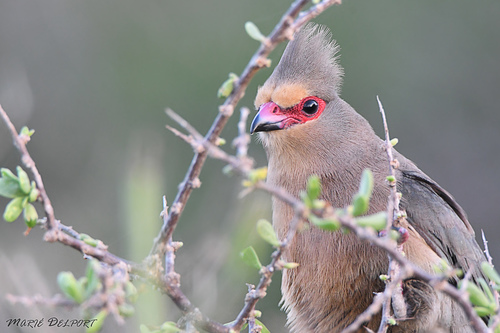
Red-Faced Mousebird
Seen Jul 2024
at Boesmansgat
Least concern
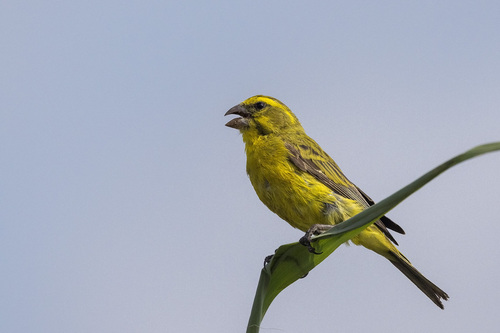
Yellow Canary
Seen May 2024
at Boesmansgat
Least concern
Coral reef community
Seen year round
at Boesmansgat

Reef fish
Seen year round
at Boesmansgat
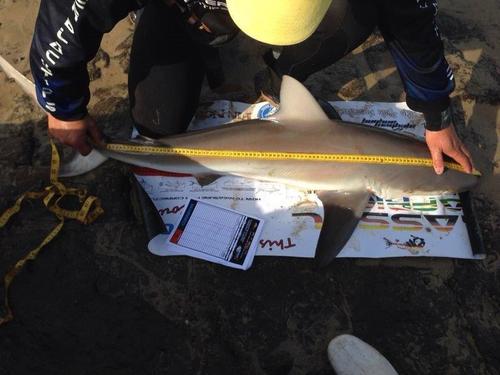
Bronze whaler (copper) shark
Seasonal visitor
at Sardine Run
Vulnerable
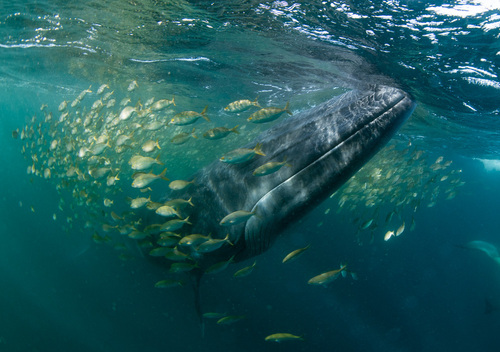
Bryde's whale
Seasonal visitor
at Sardine Run
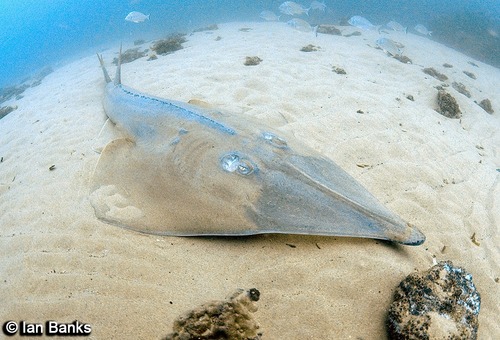
Giant guitarfish
Seasonal visitor
at Protea Banks
Critically endangered
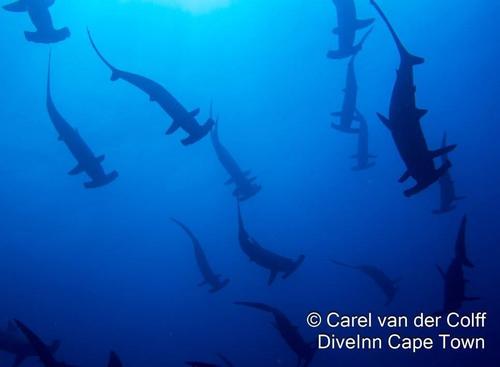
Scalloped hammerhead
Seasonal visitor
at Protea Banks
Critically endangered
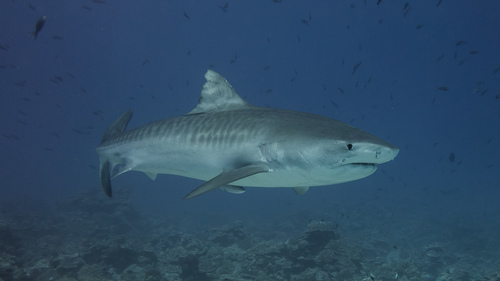
Tiger shark
Rare sighting
at Cathedral
Near threatened
Dive sites
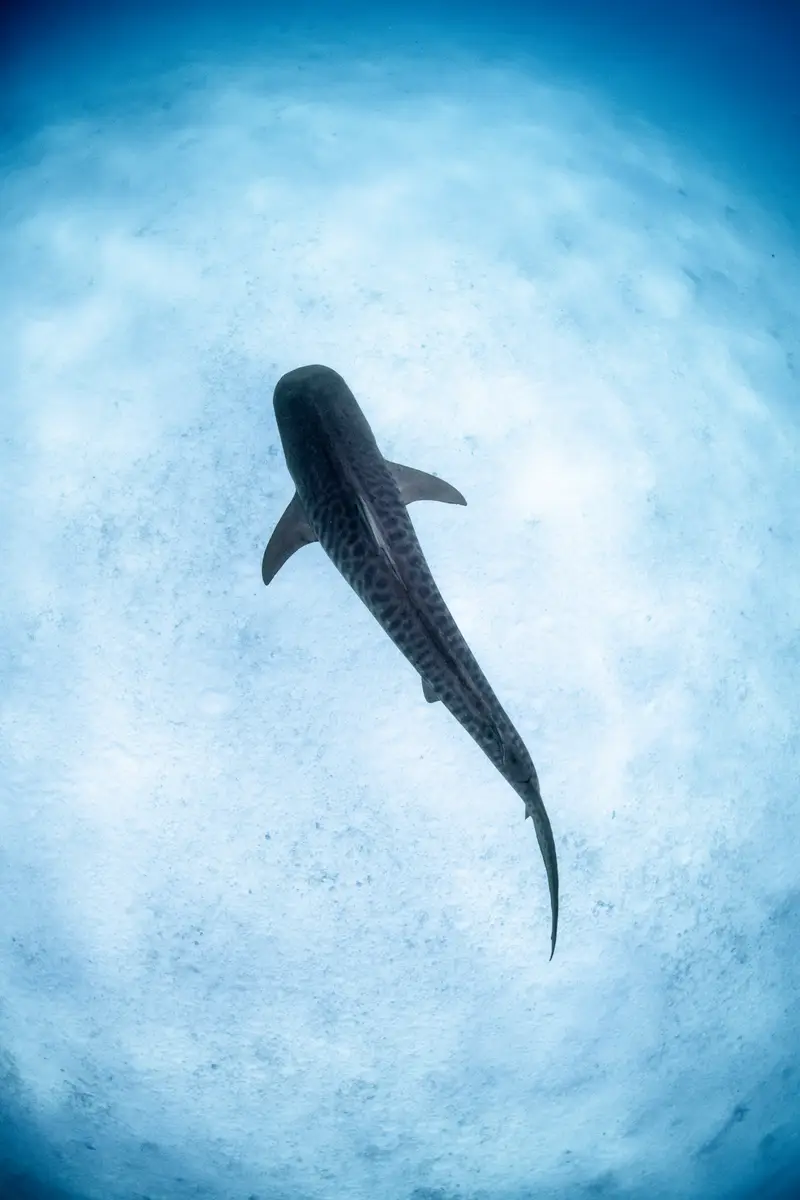
Cathedral
ragged-tooth shark · tiger shark · potato bass · brindle bass
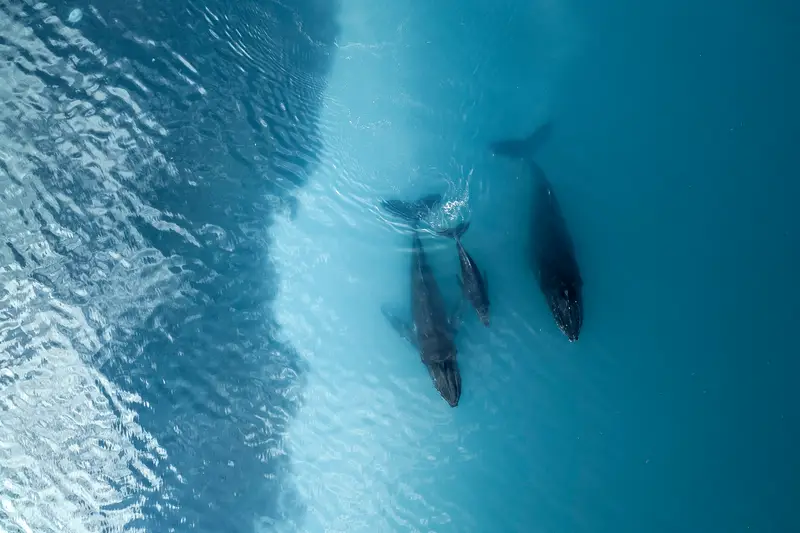
Raggie Cave
ragged-tooth shark · bottlenose dolphin · humpback whale (audible) · egyptian goose
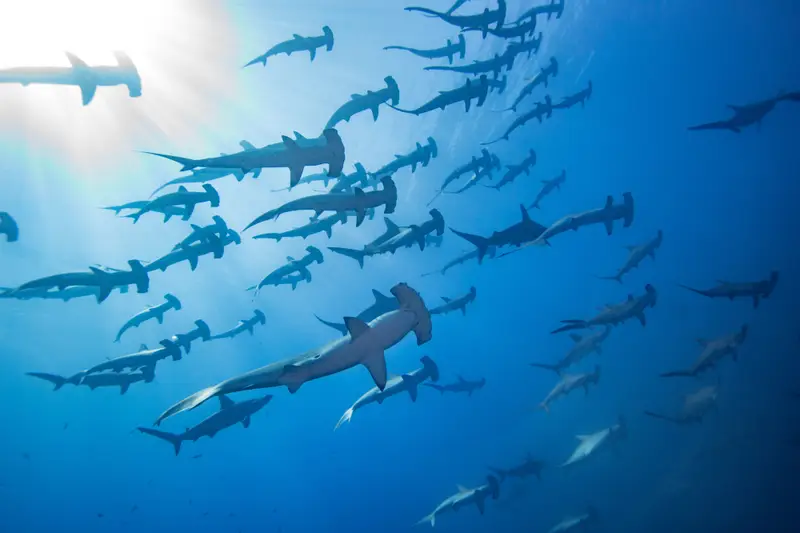
Protea Banks
bull shark · scalloped hammerhead · ragged-tooth shark · tiger shark
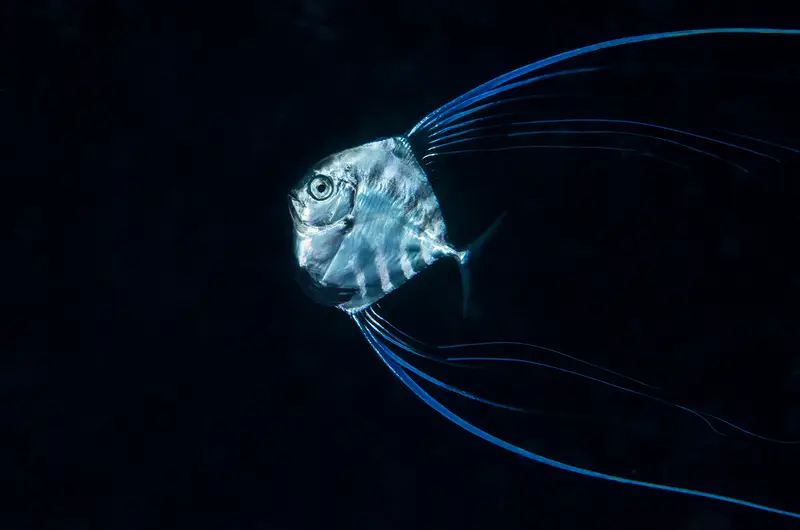
Sardine Run
southern african pilchard · common dolphin · cape gannet · bronze whaler (copper) shark
Boesmansgat
rock monitor · reef fish · coral reef community · violet-eared waxbill
What divers say
A wall of sand tigers slowly circling at 25m. Patient, calm sharks — nothing like their teeth suggest.
Good to know
Surf launches
Inflatables launch through breaking waves; expect a wet ride.