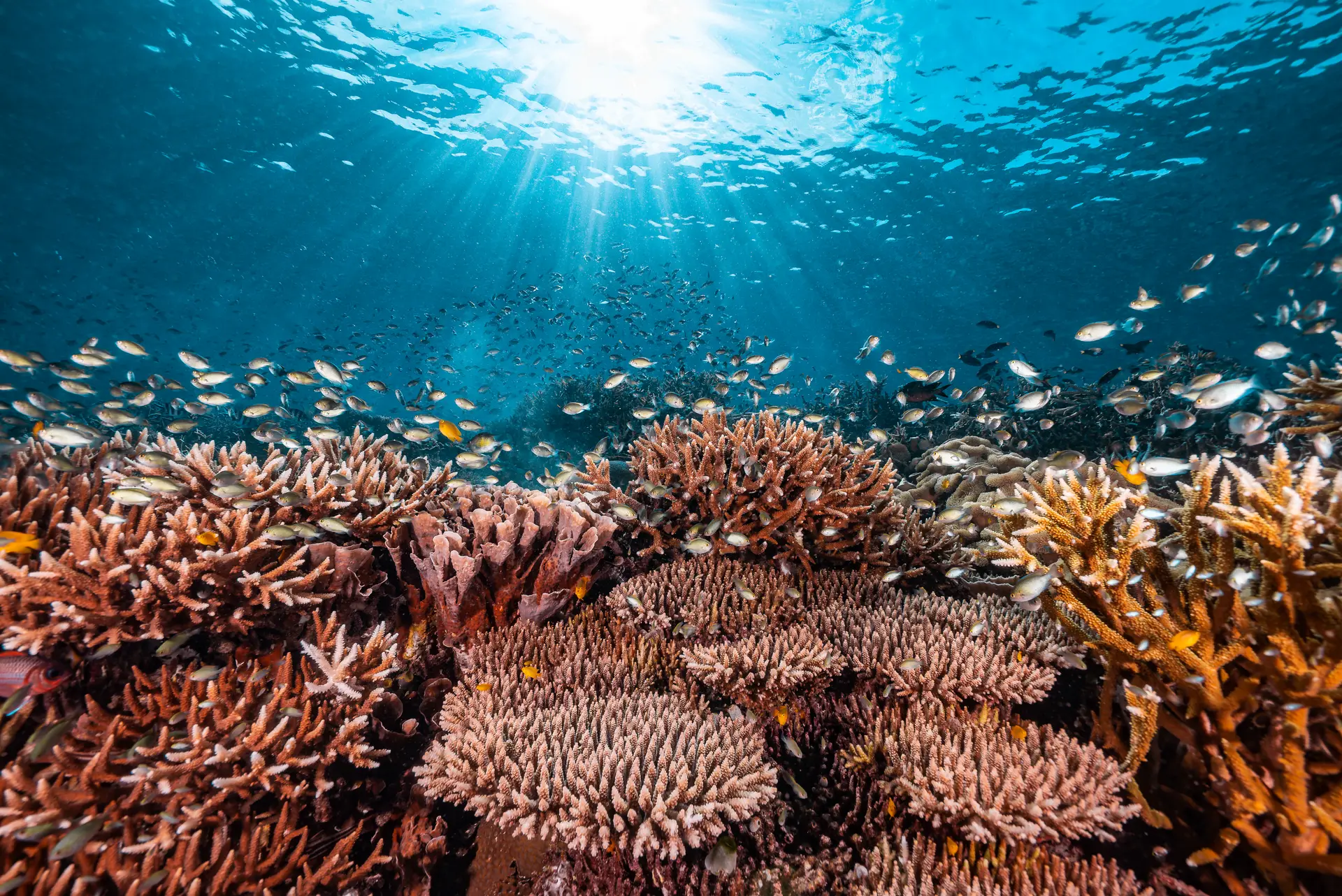
Raja Ampat
Indonesia · West Papua
Raja Ampat sits at the heart of the Coral Triangle and holds the highest recorded marine biodiversity on Earth — more reef fish species than anywhere else, healthy shark and ray populations, and reefs that look untouched because, for most of their history, they were. The four main island groups (Waigeo, Batanta, Salawati, Misool) each have their own character; most trips combine at least two by liveaboard.
Misool Marine Reserve
Platinum tier · Awarded 2018
How this reef is doing
ⓘ How we measure thisReef state
One of the few places where what you see today is what divers saw a decade ago. Plan the trip with confidence — peak fish biomass, intact soft coral fields, manta and wobbegong encounters all reliable.
Coral cover
Fish life
More fish than a healthy reef of its kind.
Heat
Warmer than usual right now, but not hot enough to bleach.
Fishing
Quiet water, and the protection is actively patrolled.
Sources · MERMAID and the survey teams · Reef Life Survey · NOAA Coral Reef Watch · Global Fishing Watch and reef gravity
Coral cover over time
Live coral cover, by survey year
Across surveys in 2018 and 2025, live coral cover here has risen from 32% to 50%. Every point is a real survey reading, never a projection.
Live coral cover, percent by year
| Year | Coral cover |
|---|---|
| 2018 | 32% |
| 2025 | 50% |
What you will see
99 species across the dive sites here
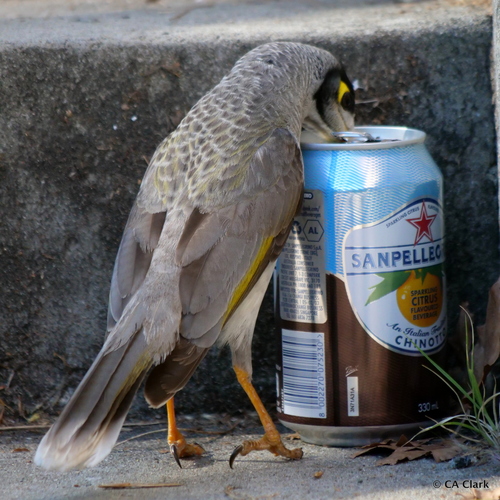
Noisy Miner
Seen 2 months ago
at Magic Point
Least concern
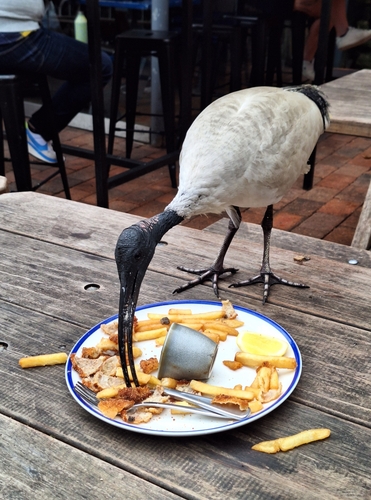
Australian Ibis
Seen 2 months ago
at Magic Point
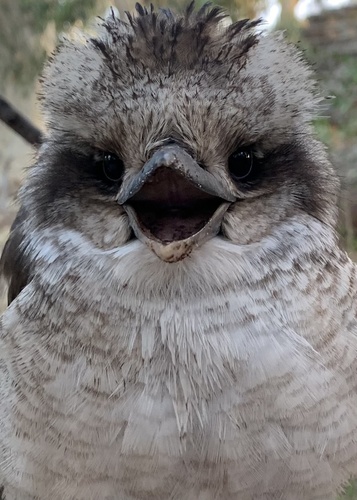
Laughing Kookaburra
Seen 2 months ago
at Magic Point
Least concern
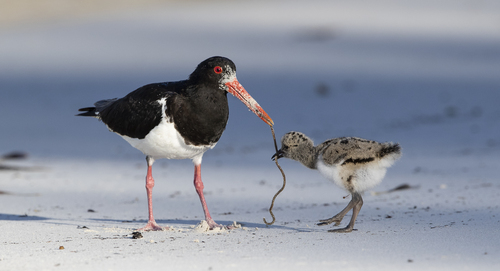
Pied Oystercatcher
Seen 2 months ago
at HMAS Brisbane
Least concern
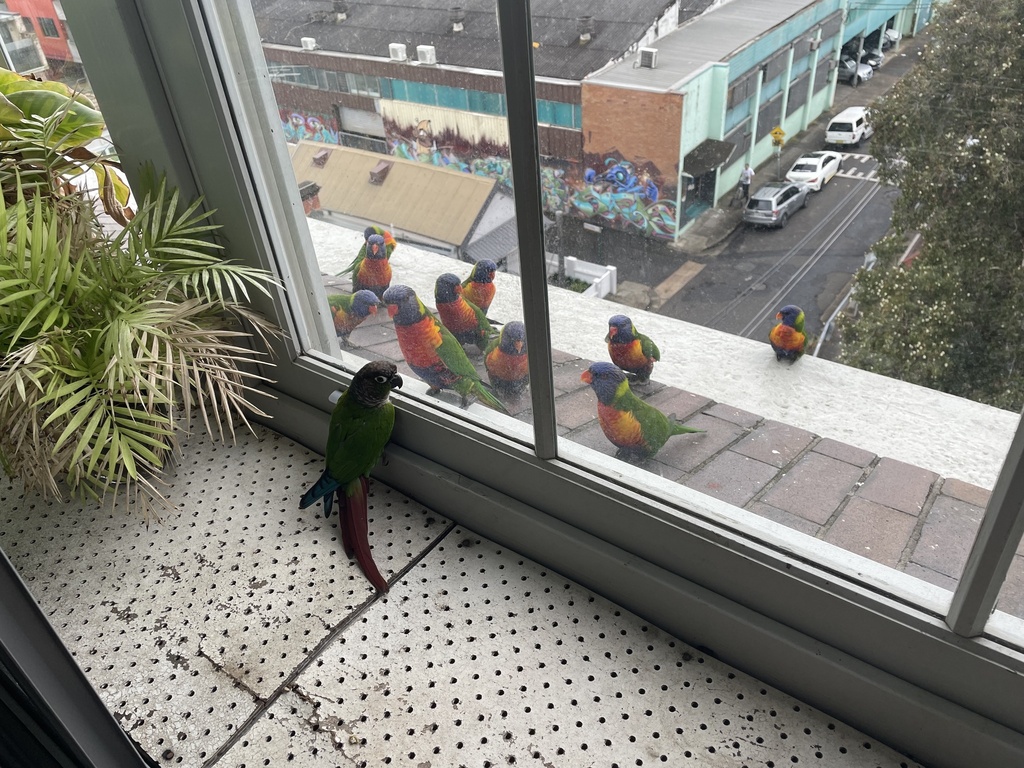
Rainbow Lorikeet
Seen 2 months ago
at Magic Point
Least concern
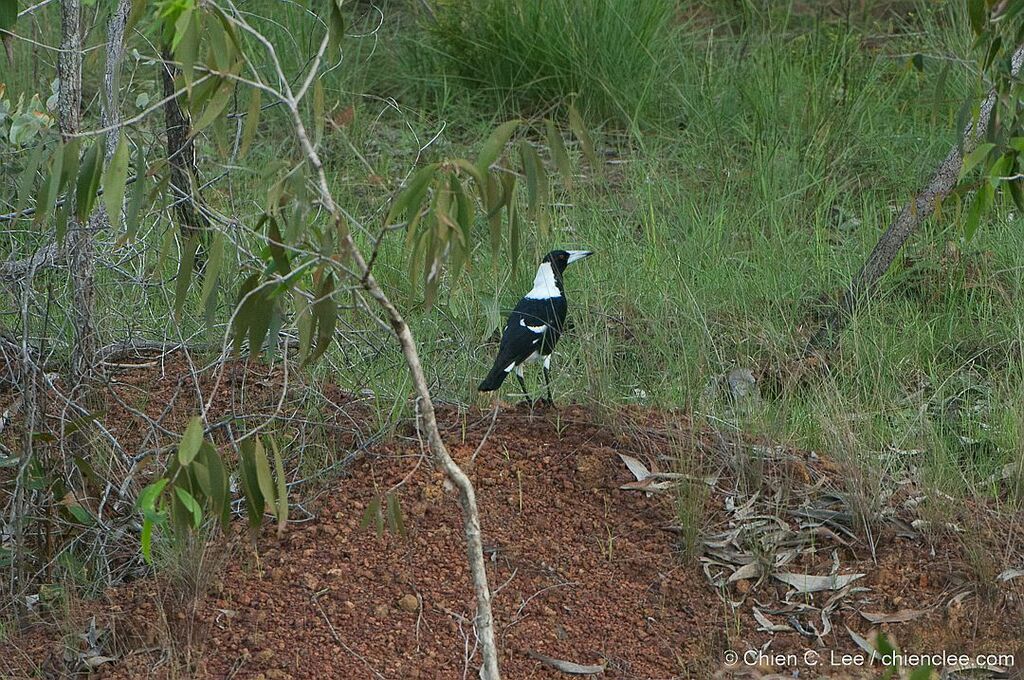
Australian Magpie
Seen 2 months ago
at Magic Point
Least concern
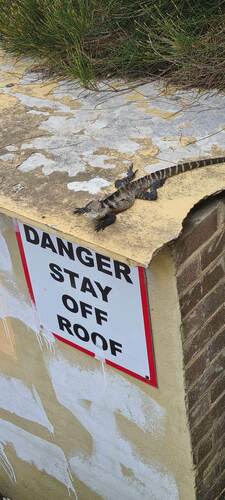
Australian Water Dragon
Seen 2 months ago
at Magic Point
Least concern
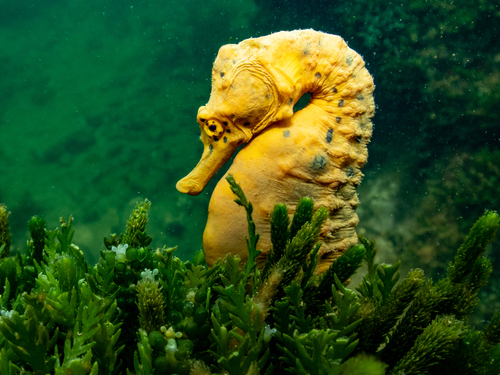
Bigbelly Seahorse
Seen 2 months ago
at HMAS Canberra
Least concern
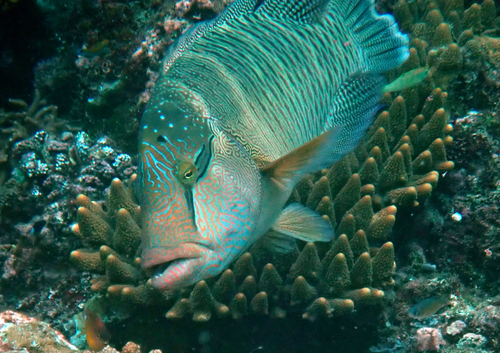
Napoleon wrasse
Seen 2 months ago
at Cape Kri
Endangered
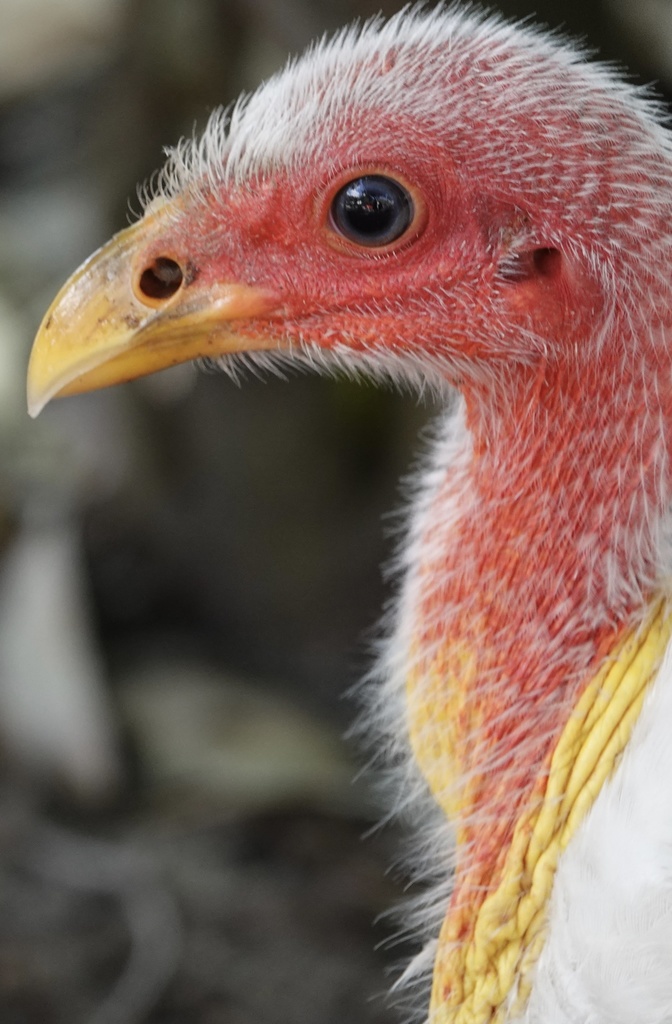
Australian Brushturkey
Seen 2 months ago
at HMAS Adelaide
Least concern
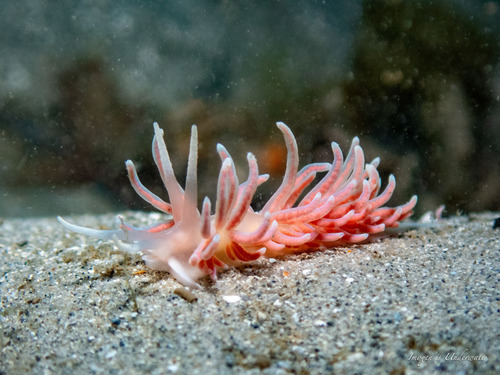
Made-Up Phyllodesmium
Seen 2 months ago
at HMAS Canberra
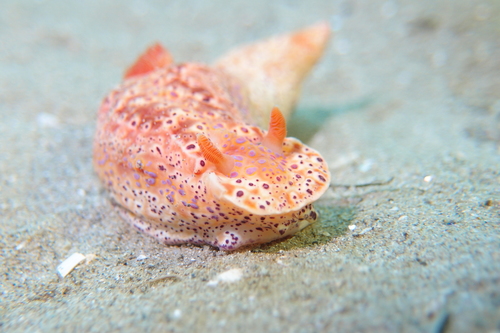
Short-Tailed Ceratosoma
Seen 2 months ago
at HMAS Canberra
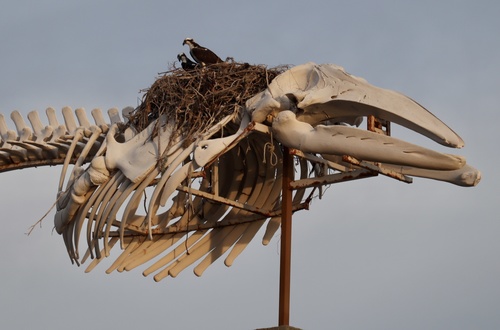
Osprey
Seen 2 months ago
at HMAS Brisbane
Least concern
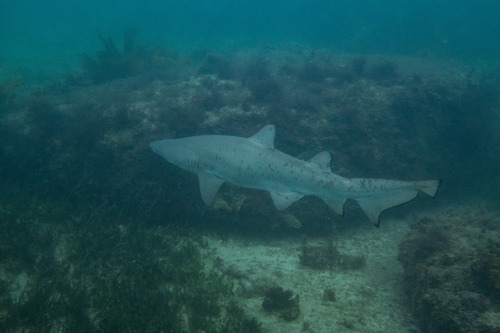
Grey Nurse Shark
Seen 2 months ago
at Magic Point
Critically endangered
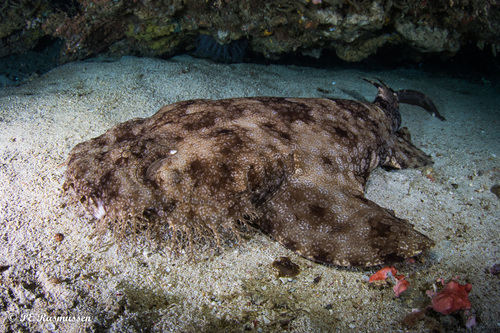
Tasselled Wobbegong
Seen 2 months ago
at Blue Magic
Least concern
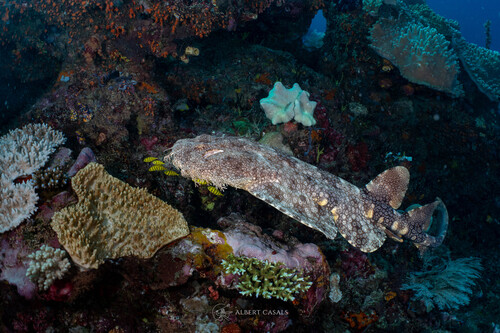
Wobbegong shark
Seen 2 months ago
at Cape Kri
Least concern
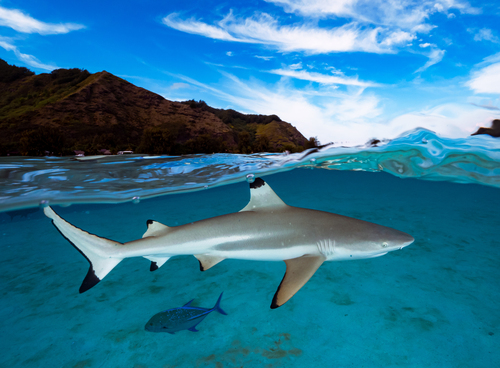
Black-tip Reef Shark
Seen 3 months ago
at Heron Island
Vulnerable
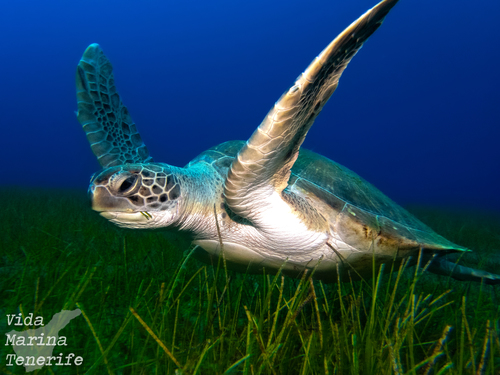
Green Sea Turtle
Seen 3 months ago
at Heron Island
Least concern
Loggerhead Sea Turtle
Seen 3 months ago
at Heron Island
Vulnerable
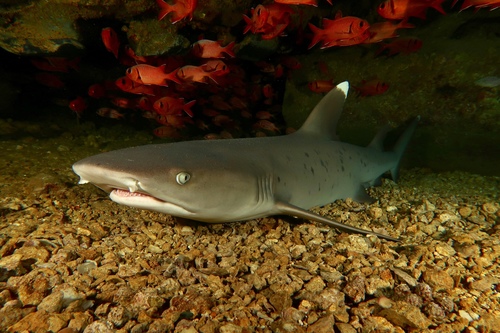
White-tip Reef Shark
Seen 3 months ago
at Heron Island
Vulnerable
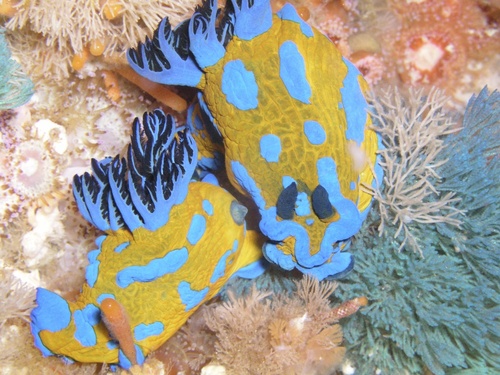
Verco'S Nudibranch
Seen 3 months ago
at HMAS Canberra
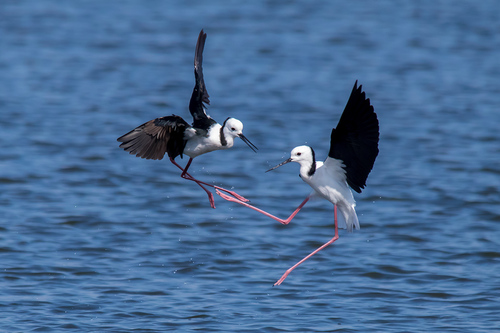
Pied Stilt
Seen 3 months ago
at HMAS Brisbane
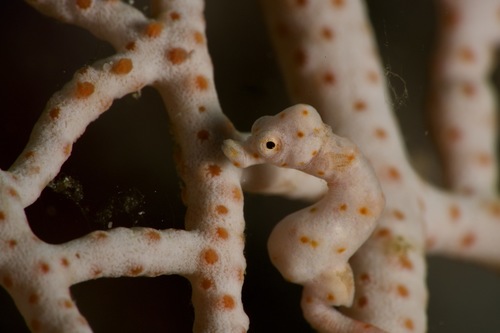
Denise's pygmy seahorse
Seen 3 months ago
at The Passage
Least concern
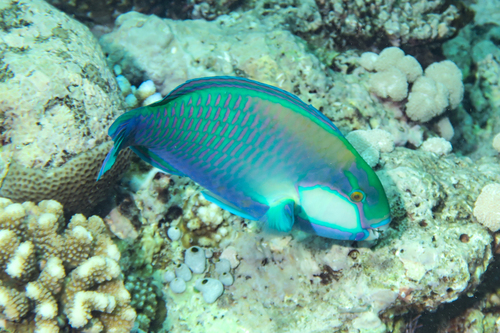
Bleeker'S Parrotfish
Seen 3 months ago
at Blue Magic
Least concern
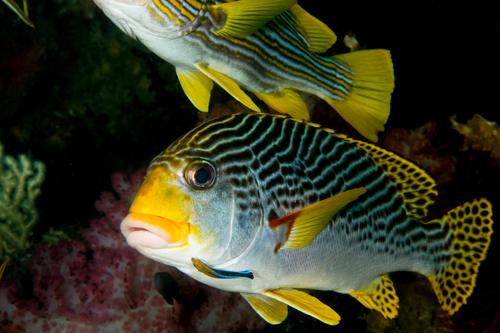
Oblique-Banded Sweetlips
Seen 3 months ago
at Blue Magic
Least concern
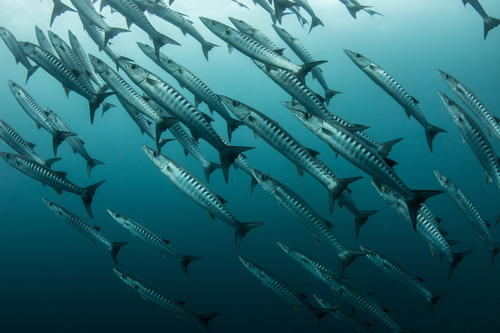
Schooling barracuda
Seen 3 months ago
at Blue Magic
Least concern
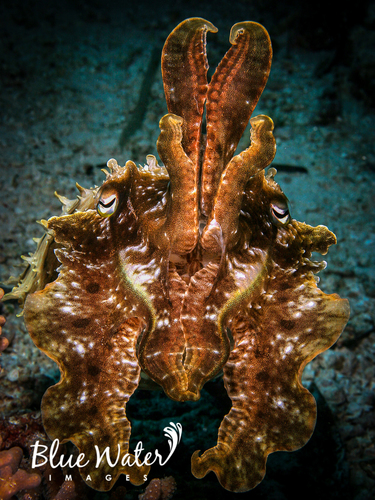
Broadclub Cuttlefish
Seen 3 months ago
at The Passage
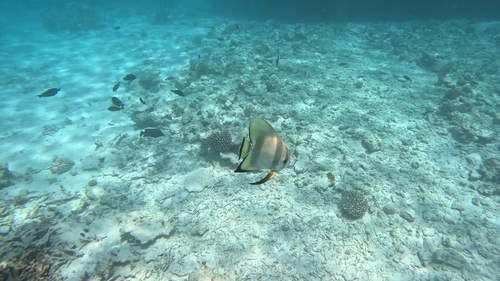
Golden Spadefish
Seen 3 months ago
at Blue Magic
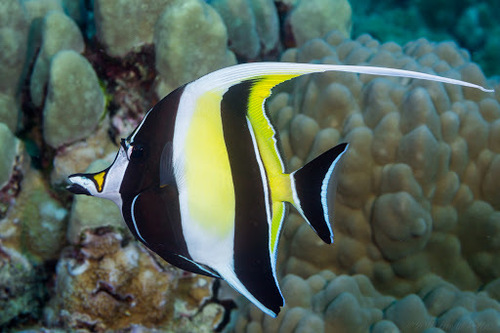
Moorish Idol
Seen 3 months ago
at Manta Sandy
Least concern
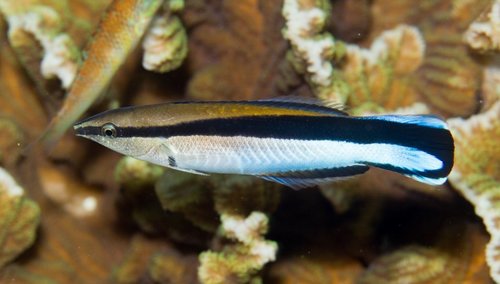
Cleaner wrasse
Seen 3 months ago
at Manta Sandy
Least concern
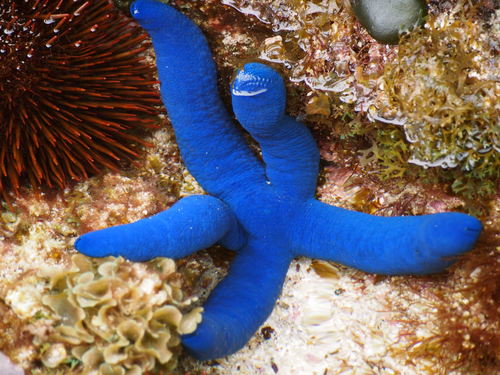
Blue Linckia
Seen 3 months ago
at Manta Sandy
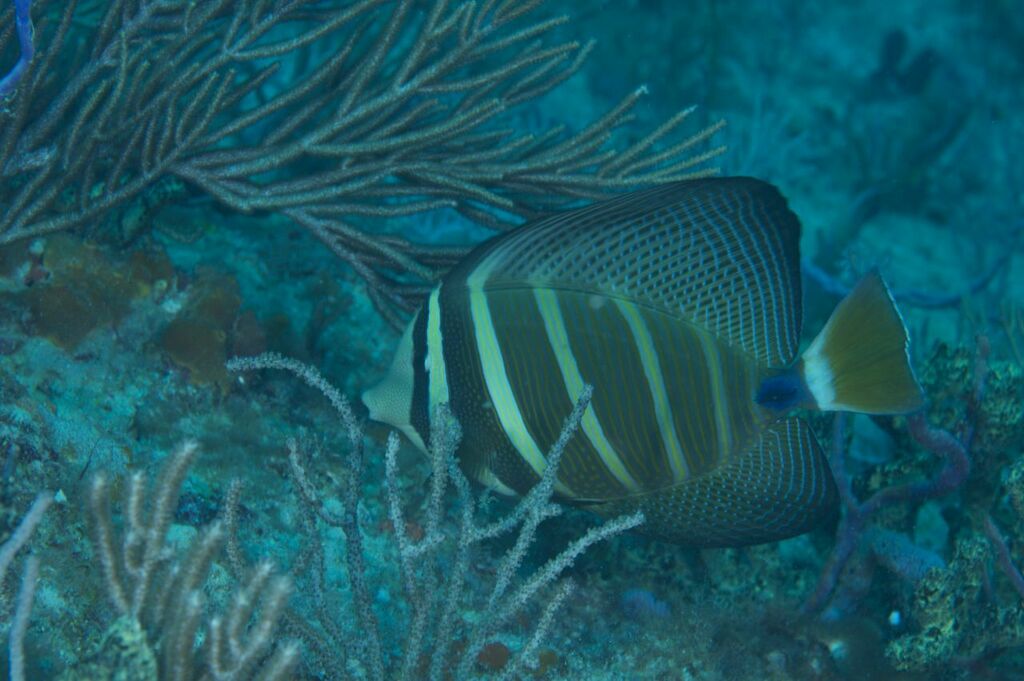
Pacific Sailfin Tang
Seen 3 months ago
at Jake's Seaplane
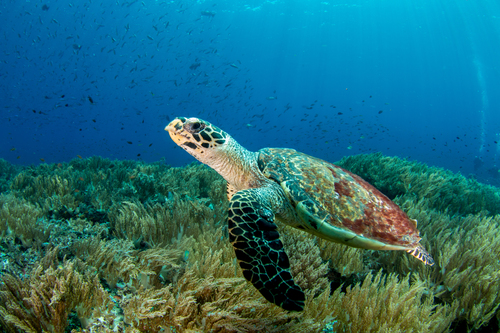
Hawksbill turtle
Seen 3 months ago
at The Passage
Critically endangered
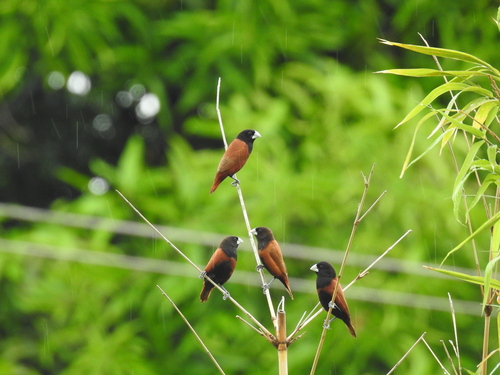
Chestnut Munia
Seen 3 months ago
at Jake's Seaplane
Least concern
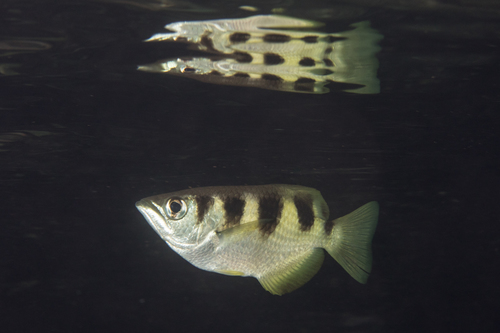
Banded archerfish
Seen 4 months ago
at The Passage
Least concern
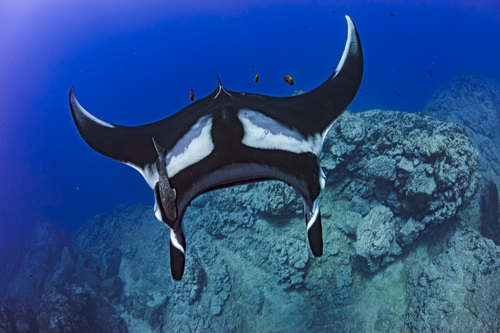
Manta Ray
Seen 4 months ago
at Misool
Endangered
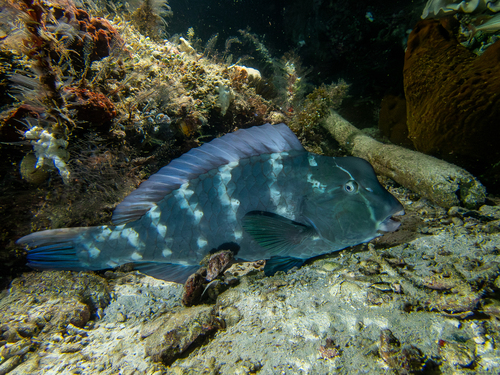
Bumphead Parrotfish
Seen 4 months ago
at The Passage
Vulnerable
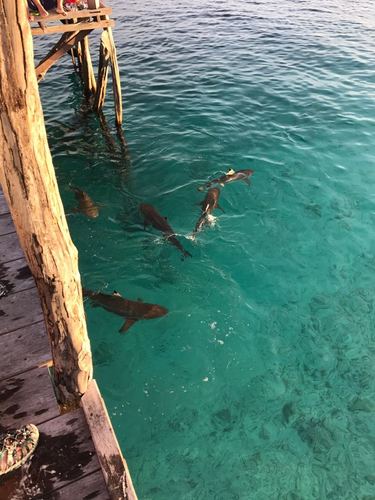
Blacktip reef shark
Seen 4 months ago
at Fam Islands
Vulnerable
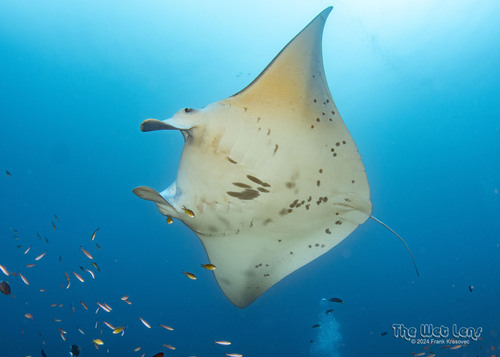
Reef manta ray
Seen 4 months ago
at Manta Sandy
Vulnerable
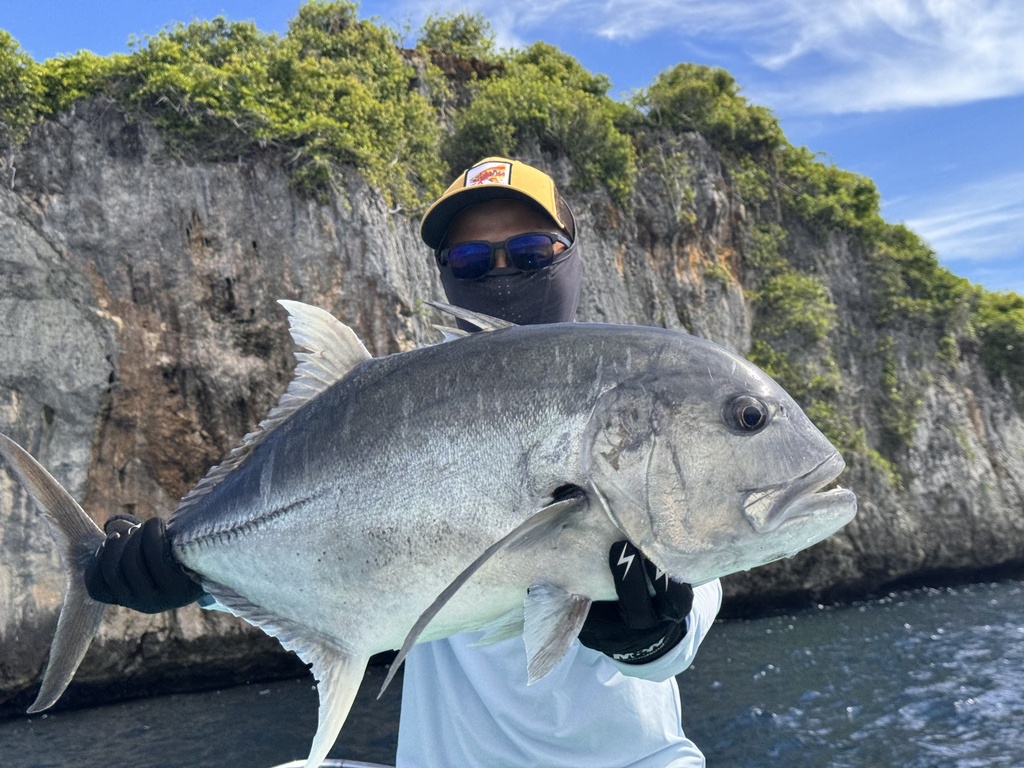
Giant trevally
Seen 4 months ago
at Magic Mountain (Shadow Reef)
Least concern
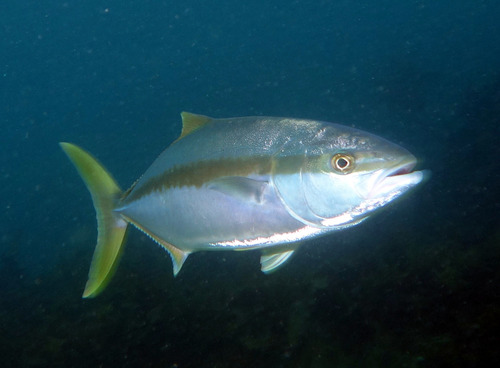
Yellowtail Kingfish
Seen 4 months ago
at HMAS Adelaide
Least concern
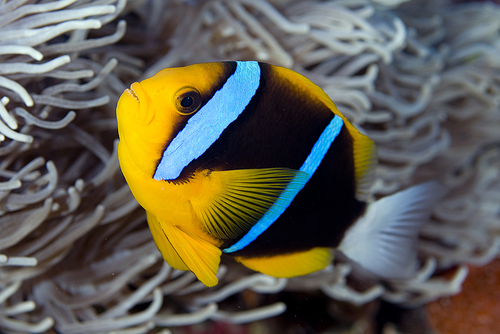
Clownfish
Seen 4 months ago
at Jake's Seaplane
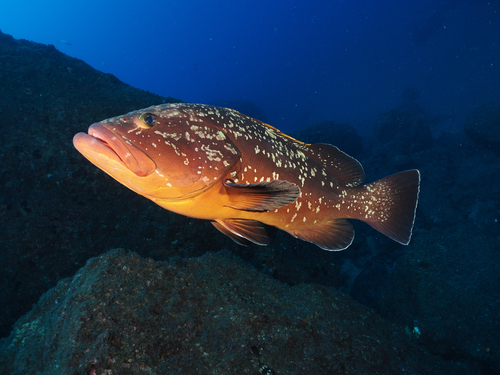
Grouper
Seen 4 months ago
at HMAS Brisbane
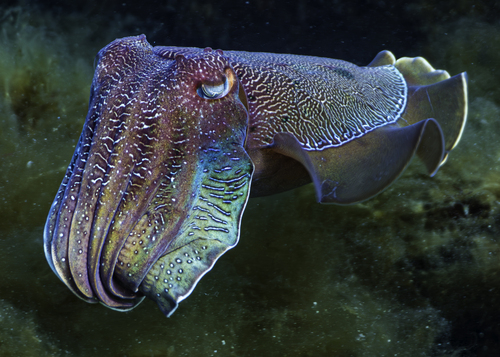
Giant Cuttlefish
Seen 4 months ago
at HMAS Adelaide
Near threatened
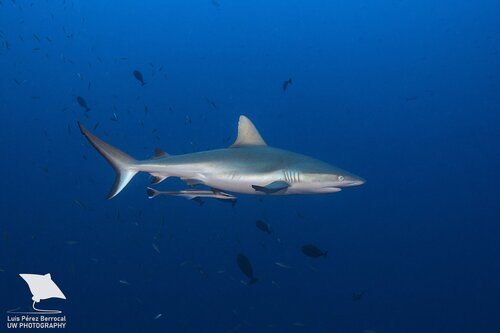
Grey reef shark
Seen 4 months ago
at Japanese battleship Nagato
Endangered
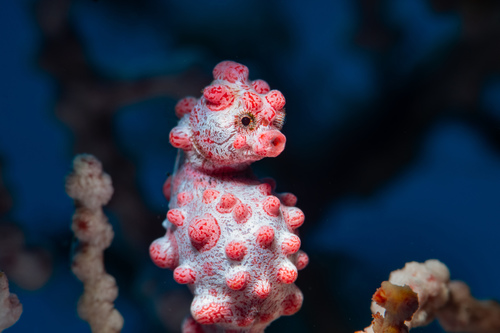
Pygmy Seahorse
Seen 4 months ago
at Ambon Bay
Least concern
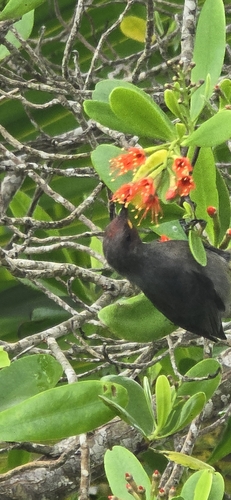
Micronesian Myzomela
Seen 4 months ago
at Jake's Seaplane
Least concern
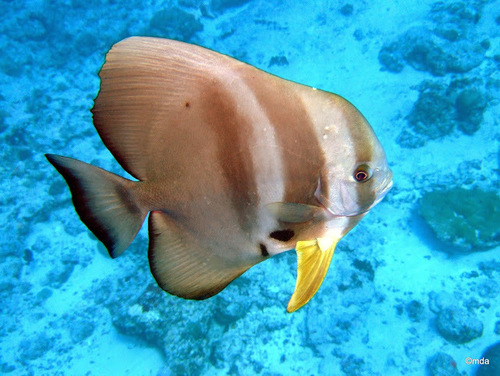
Batfish
Seen 4 months ago
at Boo Windows
Least concern
Schooling giant trevally
Seen 4 months ago
at Cape Kri
Least concern
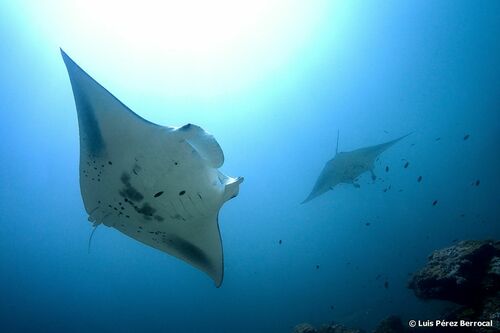
Reef manta
Seen 4 months ago
at Manta Sandy
Vulnerable
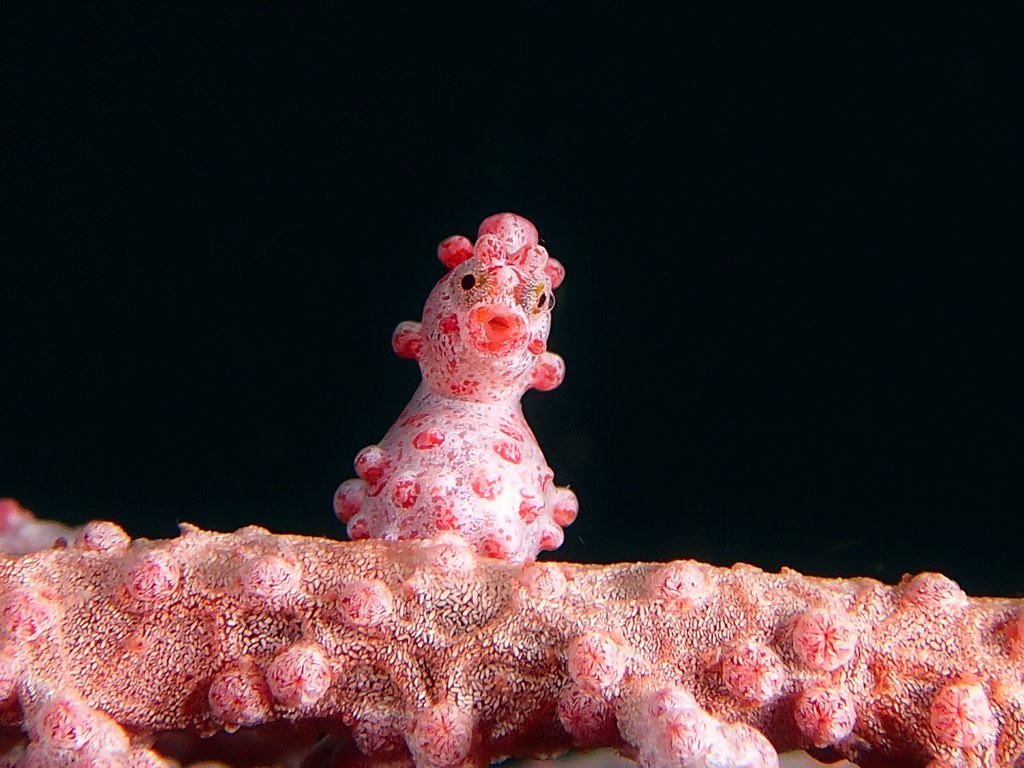
Bargibant's pygmy seahorse
Seen 4 months ago
at The Passage
Least concern
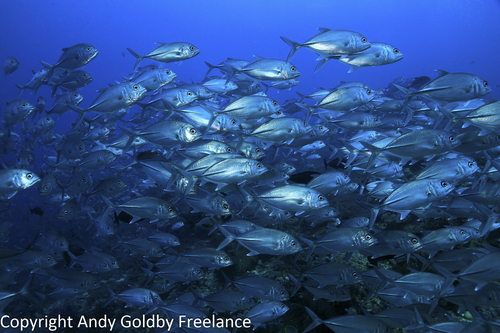
Bigeye trevally
Seen 4 months ago
at Sardine Reef
Least concern
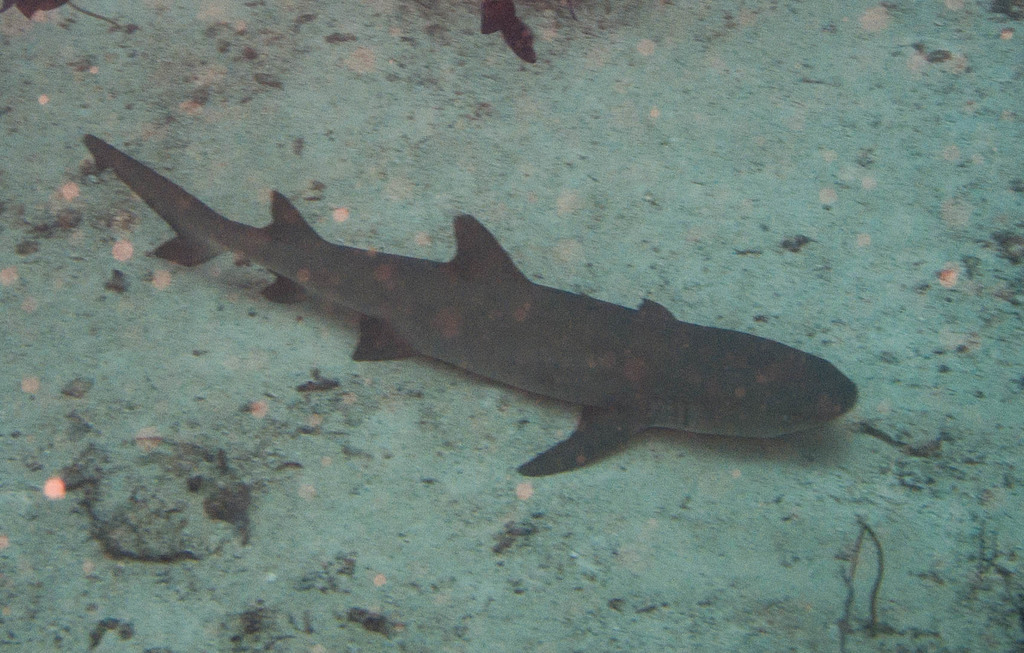
Whitetip Reef Shark
Seen 4 months ago
at Sardine Reef
Vulnerable
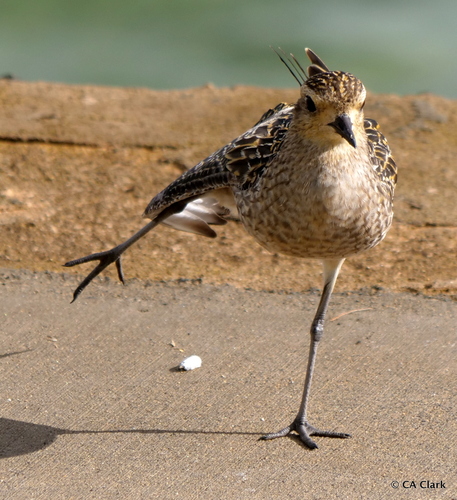
Pacific Golden-Plover
Seen 5 months ago
at Jake's Seaplane
Least concern
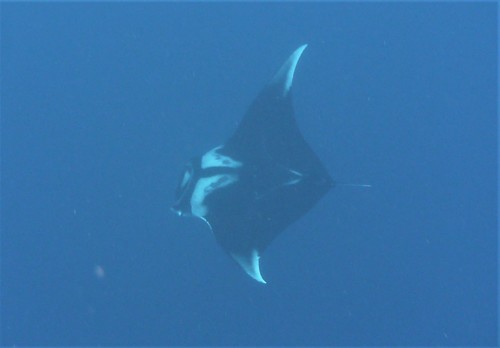
Oceanic manta ray
Seen 5 months ago
at Blue Magic
Endangered
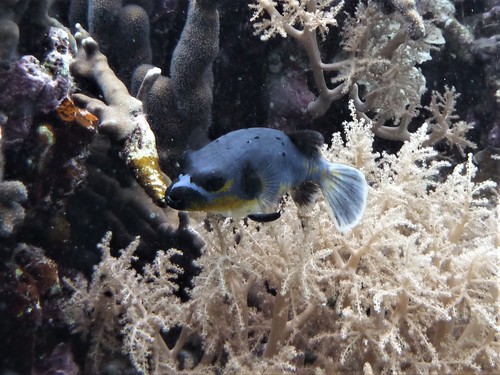
Blackspotted Puffer
Seen 5 months ago
at Batanta
Least concern
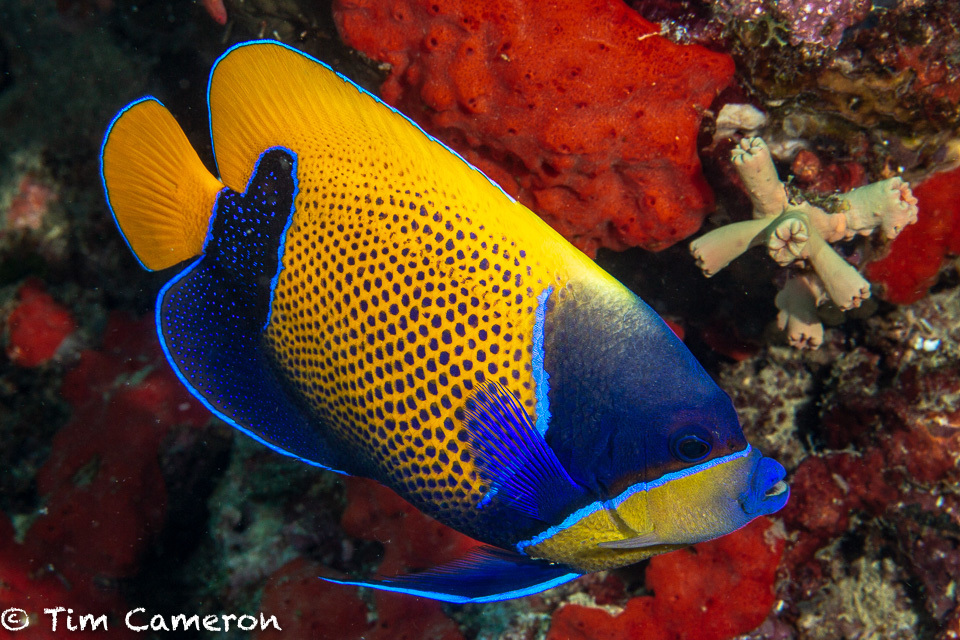
Bluegirdle Angelfish
Seen 5 months ago
at Batanta
Least concern
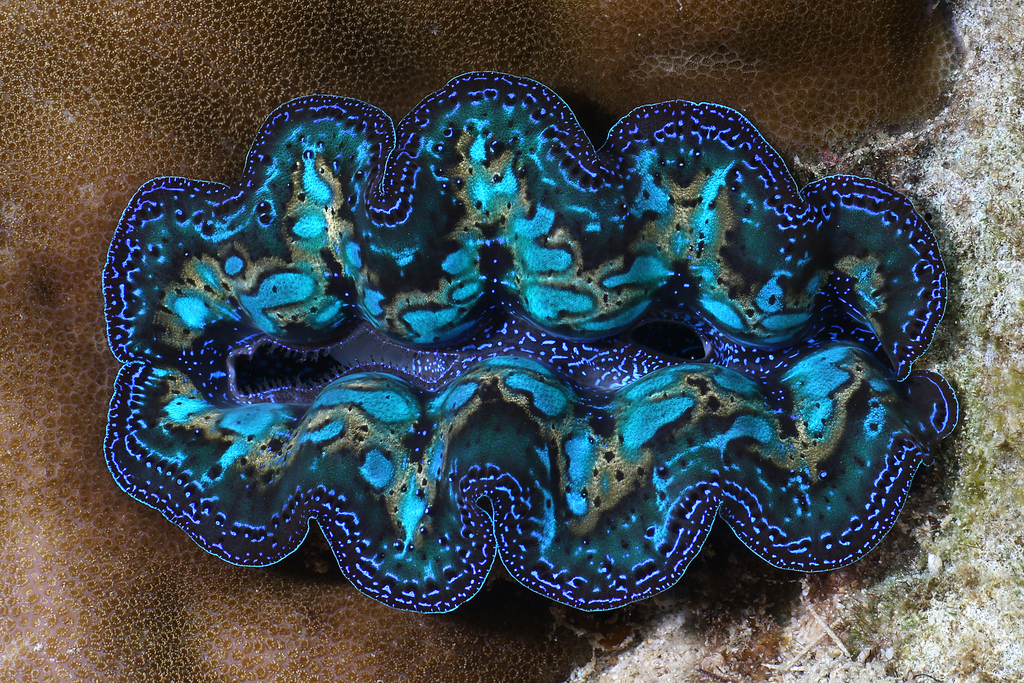
Boring Giant Clam
Seen 5 months ago
at Jake's Seaplane
Least concern
Schooling fusiliers
Seen 5 months ago
at Sardine Reef

Schools of fish
Seen 5 months ago
at HMAS Canberra
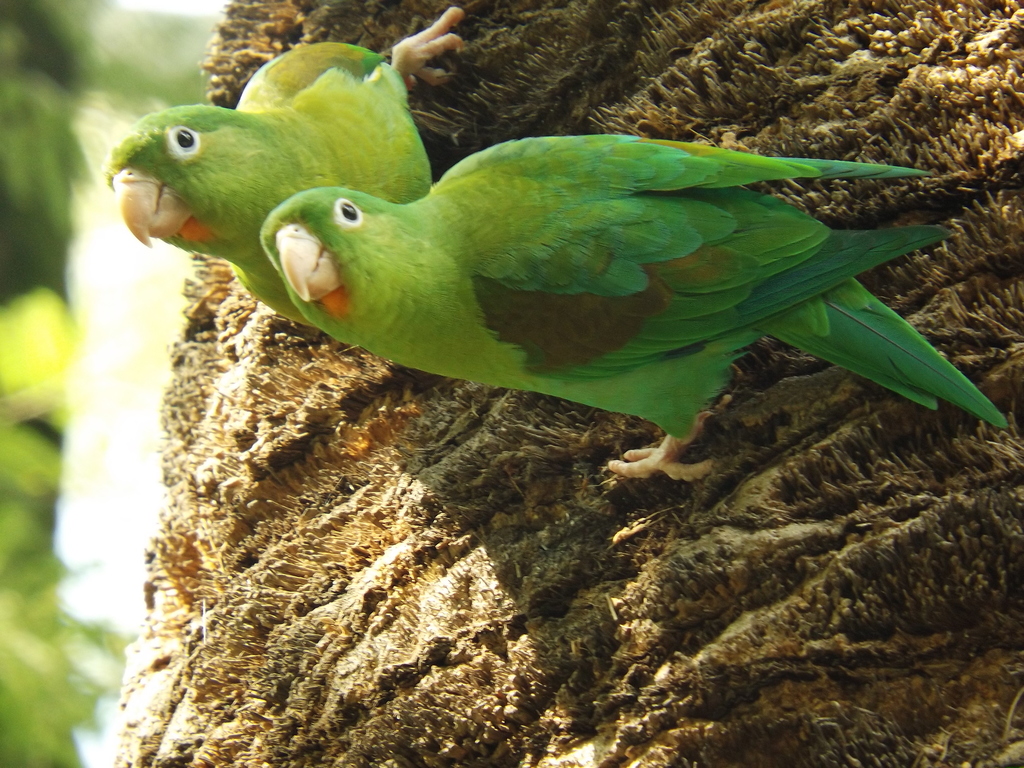
Orange-Chinned Parakeet
Seen 5 months ago
at Ambon Bay
Least concern
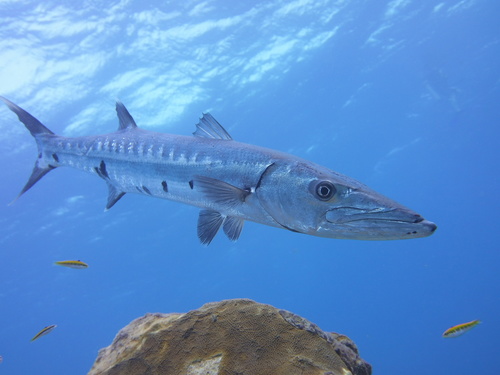
Barracuda
Seen 5 months ago
at Jake's Seaplane
Least concern
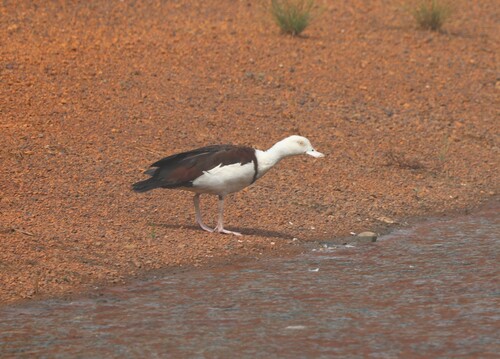
Radjah Shelduck
Seen 6 months ago
at Batanta
Least concern
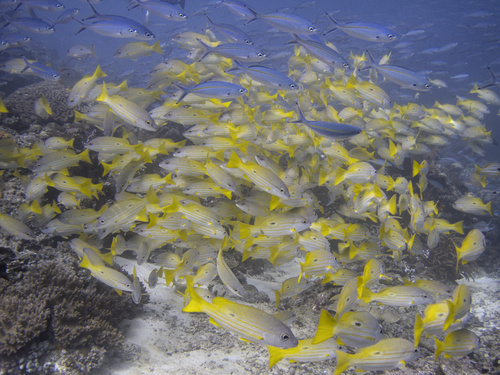
Fusiliers
Seen 8 months ago
at Boo Windows
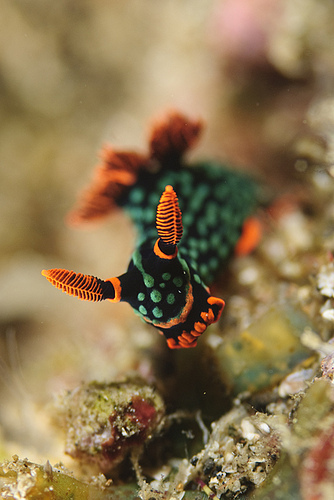
Nudibranchs
Seen 8 months ago
at HMAS Canberra
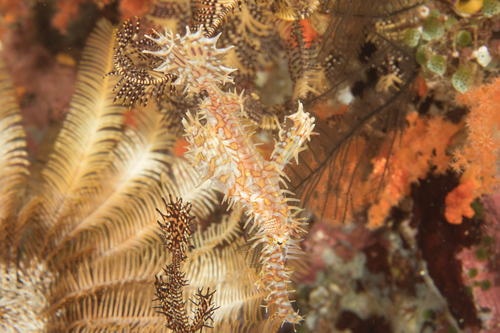
Ornate Ghost Pipefish
Seen 9 months ago
at Boo Islands
Least concern
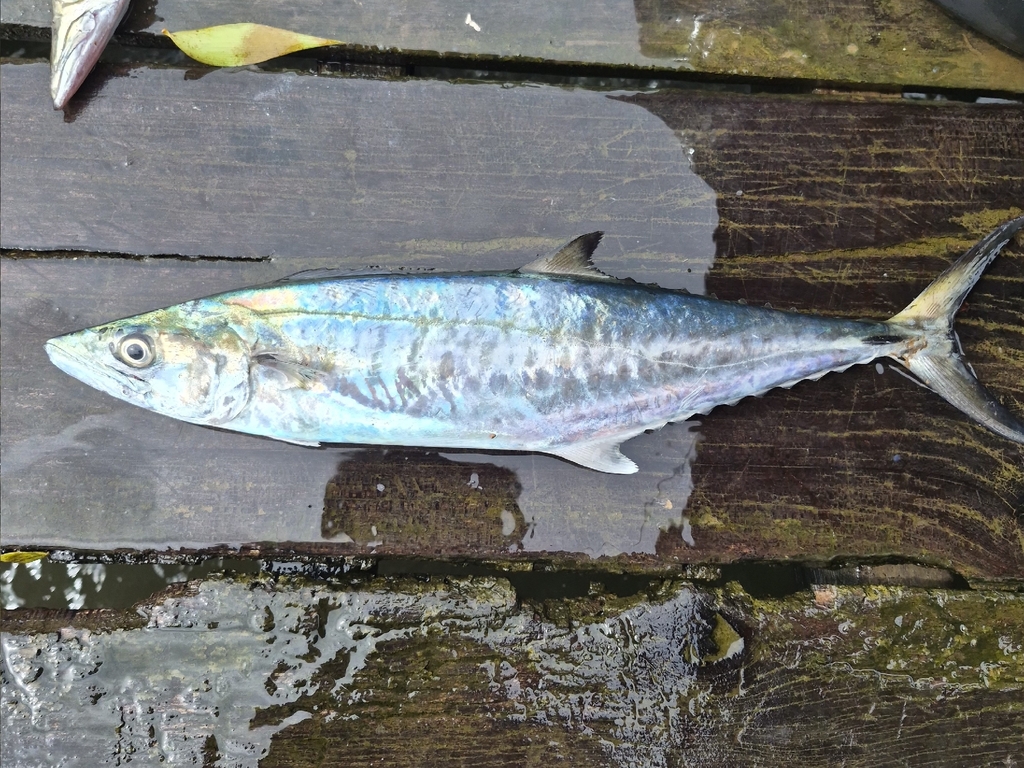
Spanish mackerel
Seen 9 months ago
at Blue Magic
Near threatened
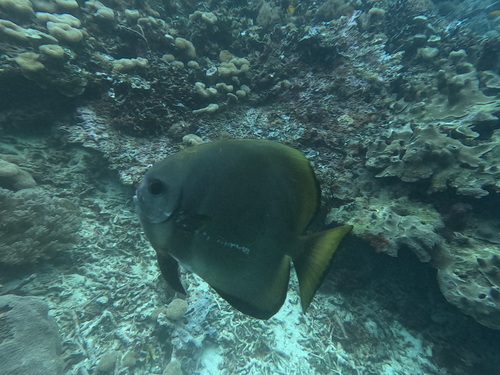
Batfish (Circular)
Seen 10 months ago
at Boo Islands
Least concern
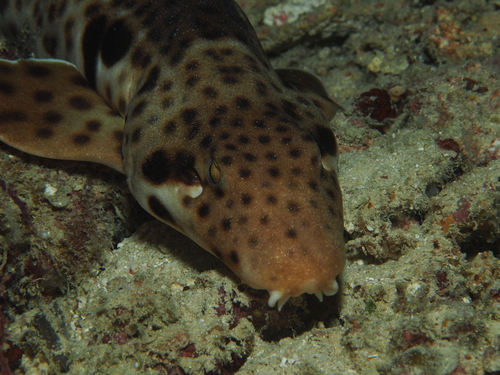
Walking Shark
Seen Mar 2025
at Misool
Near threatened
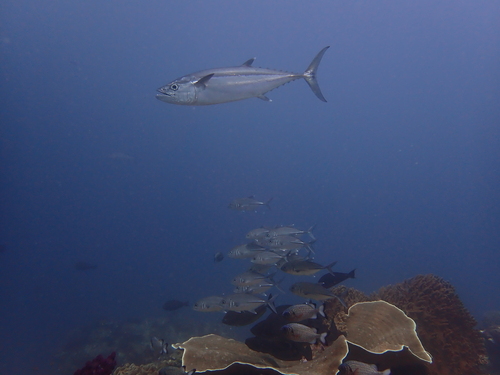
Dogtooth Tuna
Seen Mar 2025
at Fam Islands
Least concern
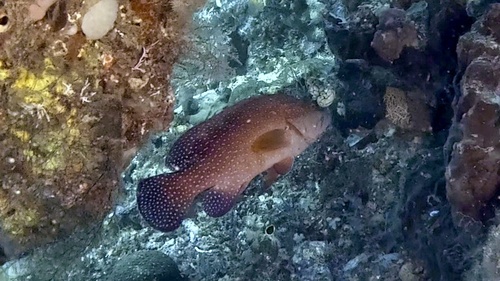
Bluespotted Grouper
Seen Dec 2024
at Fam Islands
Least concern
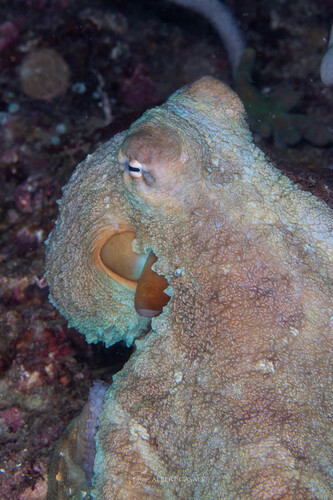
Reef Octopus
Seen Dec 2024
at Kawe Island Reef
Least concern
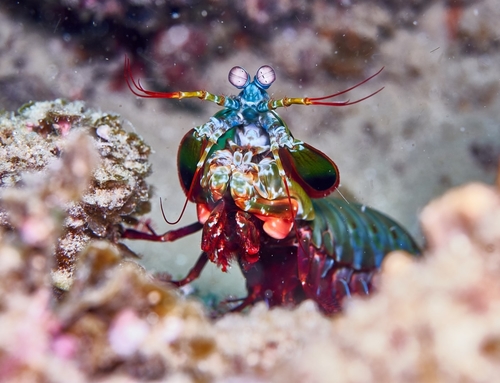
Mantis Shrimp
Seen Nov 2024
at Misool
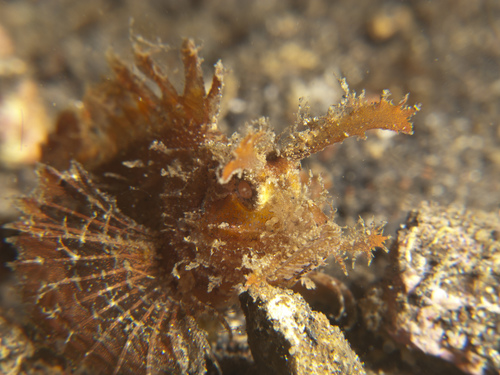
Ambon Scorpionfish
Seen year round
at Ambon Bay
Least concern
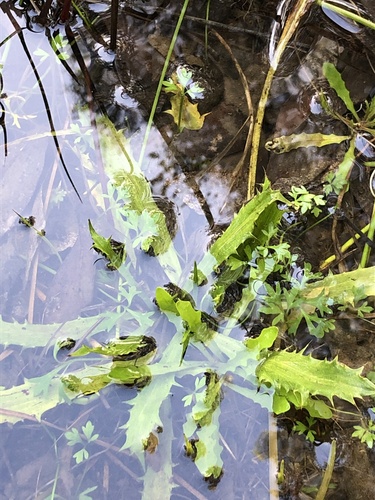
Blue Devils
Seen year round
at HMAS Canberra
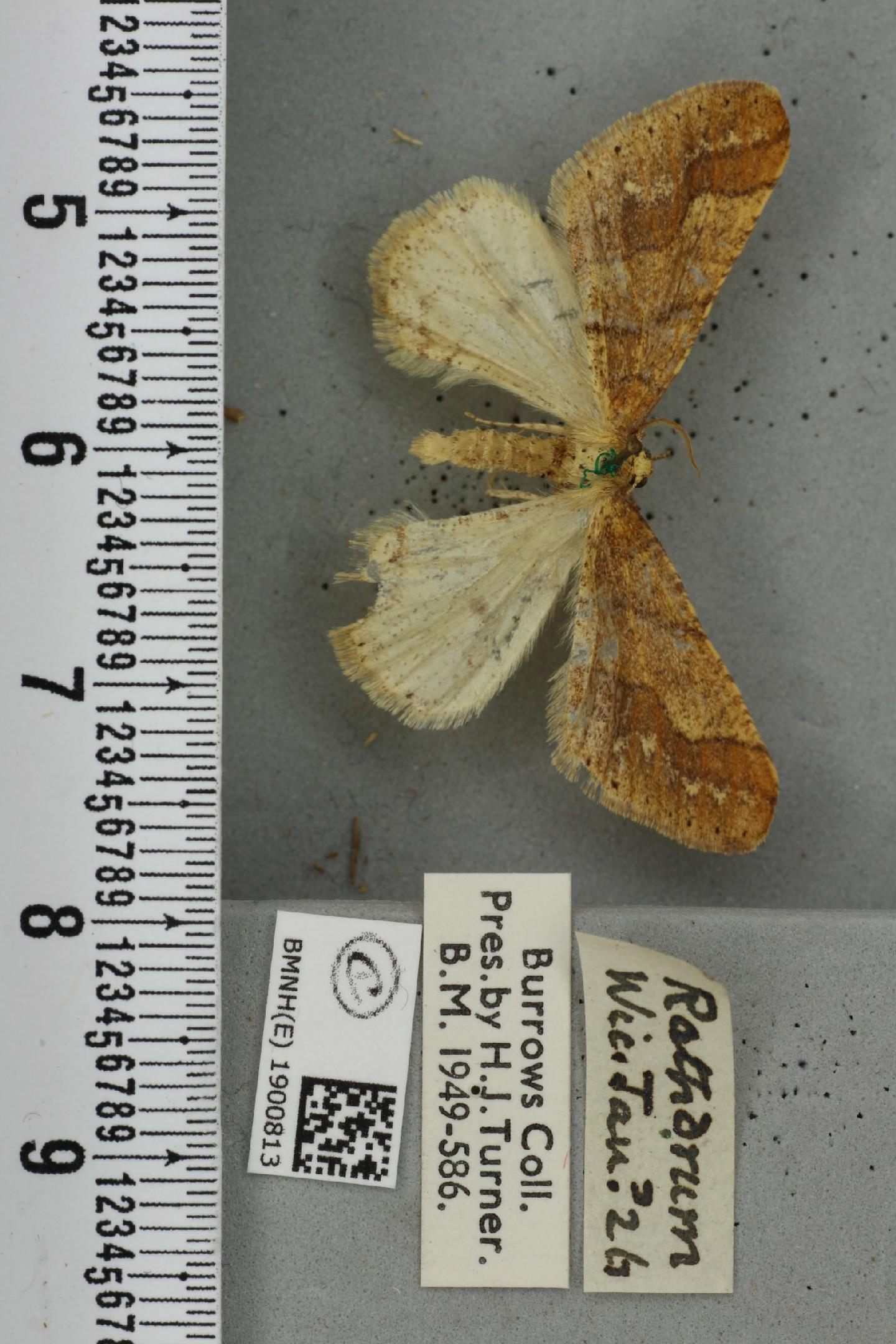
Branching Acropora Coral
Seen year round
at Fam Islands
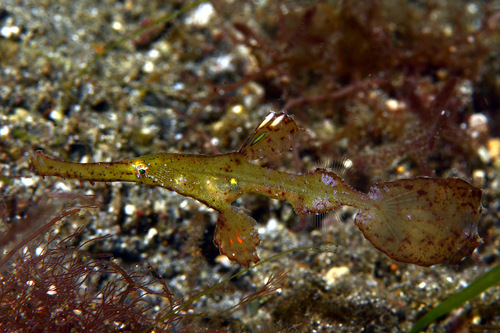
Ghost Pipefish
Seen year round
at Ambon Bay
Least concern
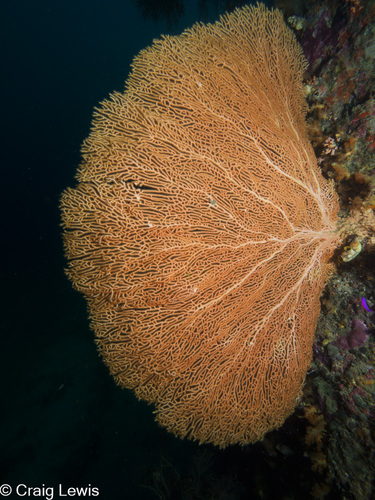
Gorgonian Sea Fan
Seen year round
at Kawe Island Reef
Hard Coral
Seen year round
at Wayag Northern Pinnacles
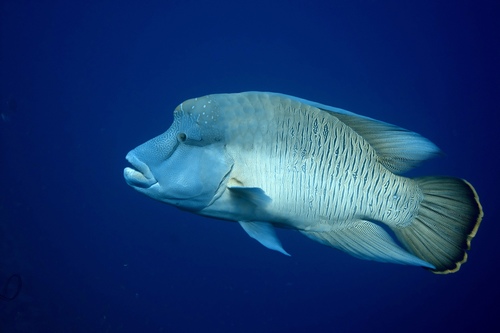
Humphead Wrasse
Seen year round
at Iro Maru
Endangered
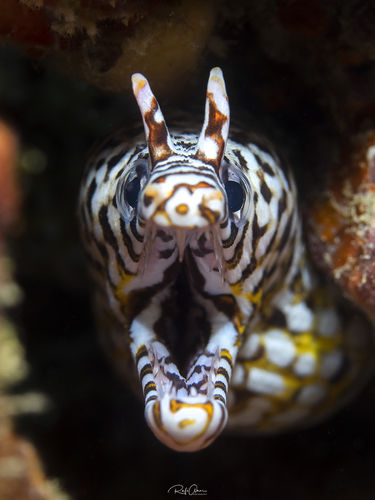
Moray Eels
Seen year round
at HMAS Canberra
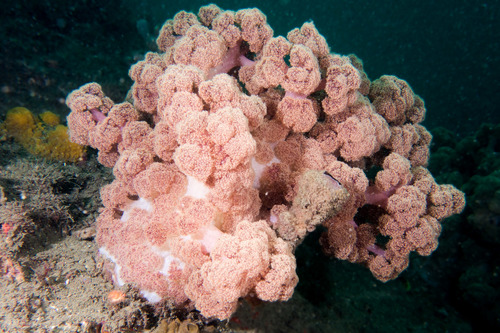
Red Tree Coral (Dendronephthya)
Seen year round
at Boo Islands
Reef Shark
Seen year round
at Iro Maru
Vulnerable
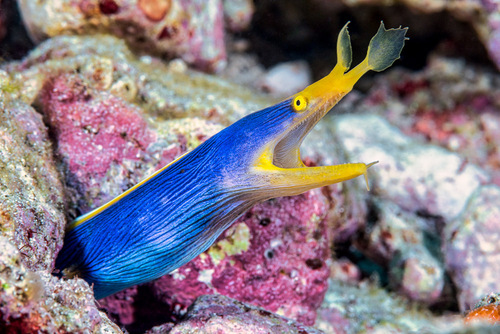
Ribbon Eel
Seen year round
at Ambon Bay
Least concern

Schooling sweetlips
Seen year round
at Cape Kri
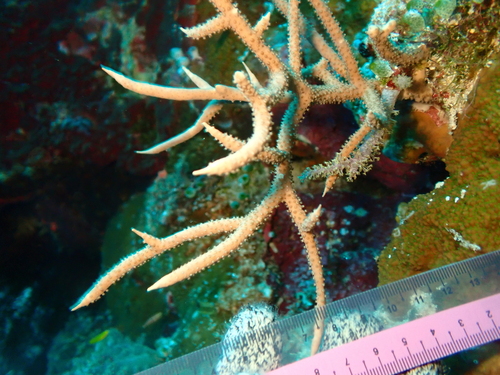
Sea Fan
Seen year round
at Boo Islands
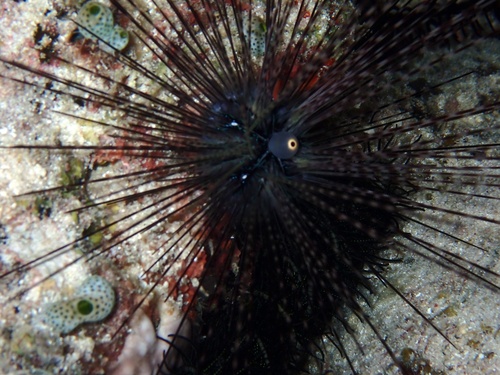
Sea Urchin
Seen year round
at Fam Islands
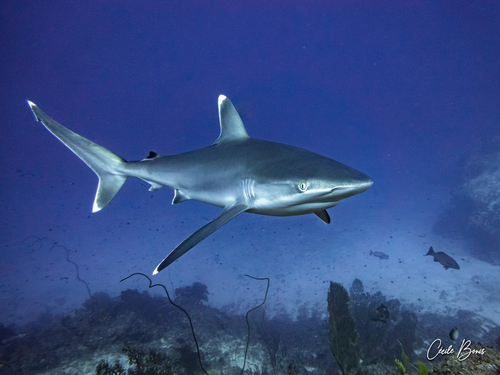
Silvertip Shark
Seen year round
at Wayag Northern Pinnacles
Vulnerable
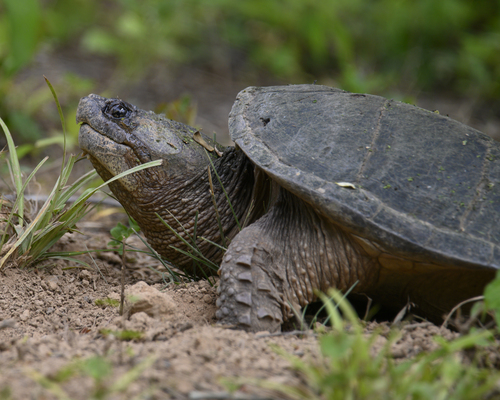
Snapper
Seen year round
at Japanese battleship Nagato
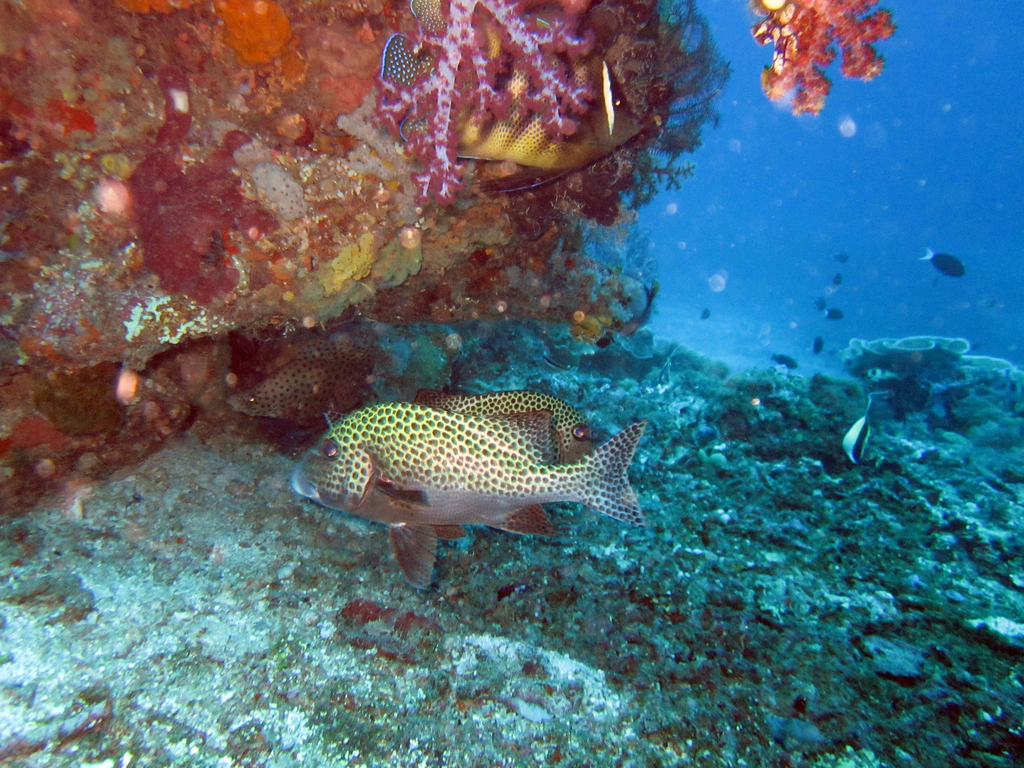
Sweetlips
Seen year round
at Wayag Northern Pinnacles
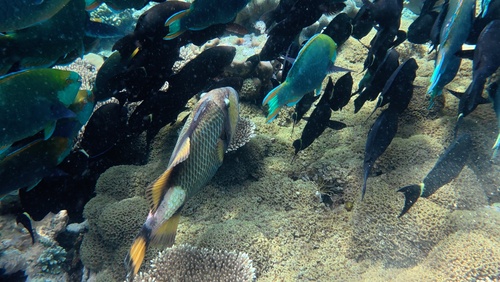
Titan Triggerfish
Seen year round
at Kawe Island Reef
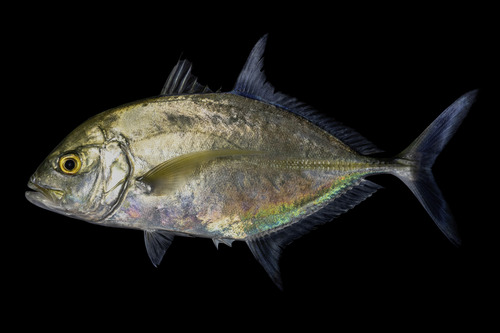
Trevally
Seen year round
at HMAS Brisbane

Tuna
Seen year round
at Japanese battleship Nagato
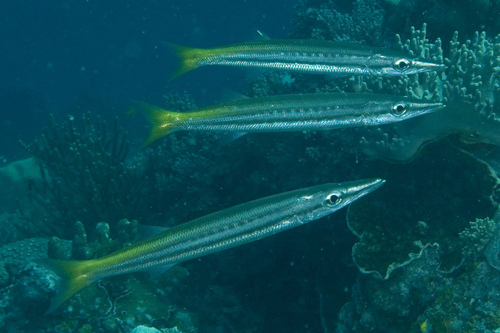
Yellowtail barracuda
Seen year round
at Boo Windows
Least concern
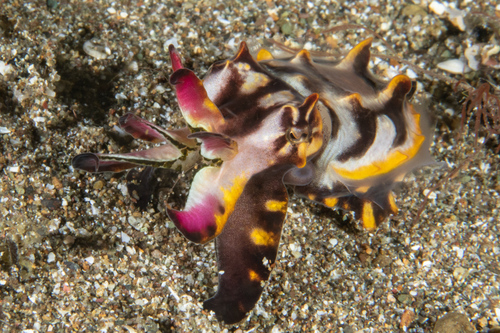
Flamboyant Cuttlefish
Seasonal visitor
at Ambon Bay
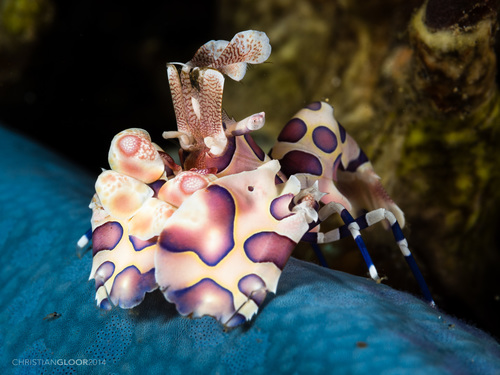
Harlequin Shrimp
Seasonal visitor
at Ambon Bay
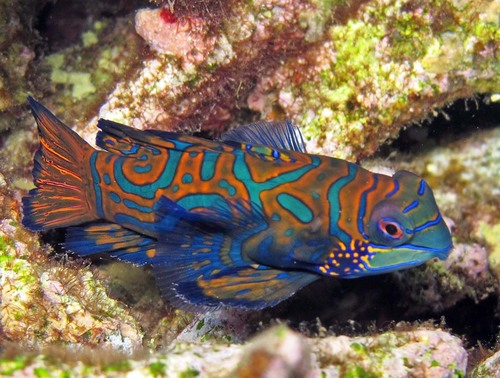
Mandarinfish
Seasonal visitor
at Ambon Bay
Least concern
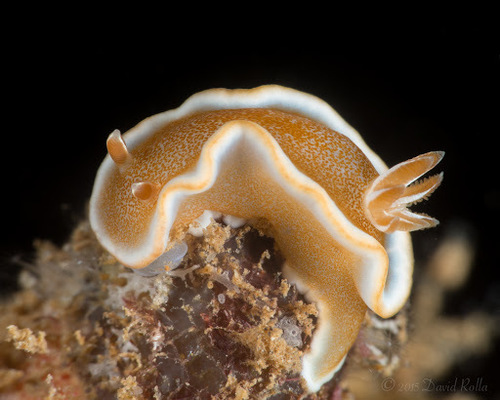
Caramel Nudibranch
Rare sighting
at Japanese battleship Nagato
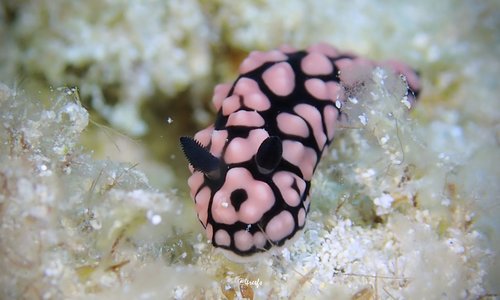
Pustulose Wart Slug
Rare sighting
at Japanese battleship Nagato
Dive sites
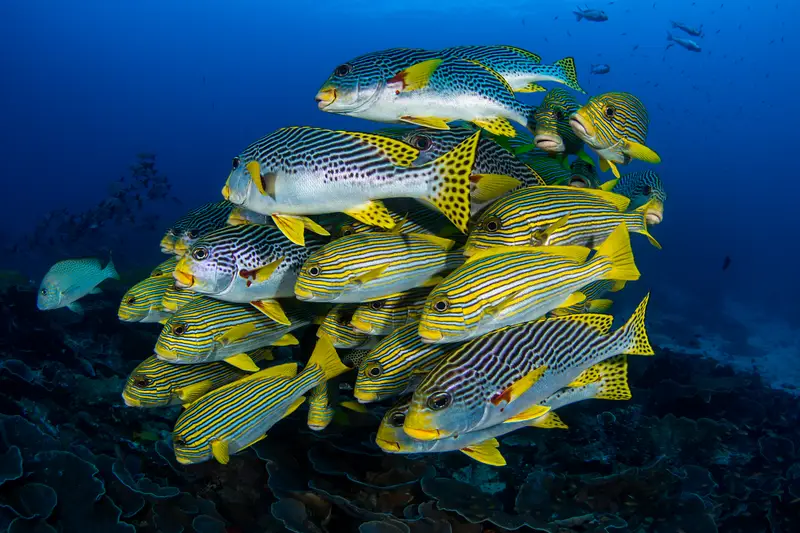
Cape Kri
schooling giant trevally · blacktip reef shark · wobbegong shark · napoleon wrasse
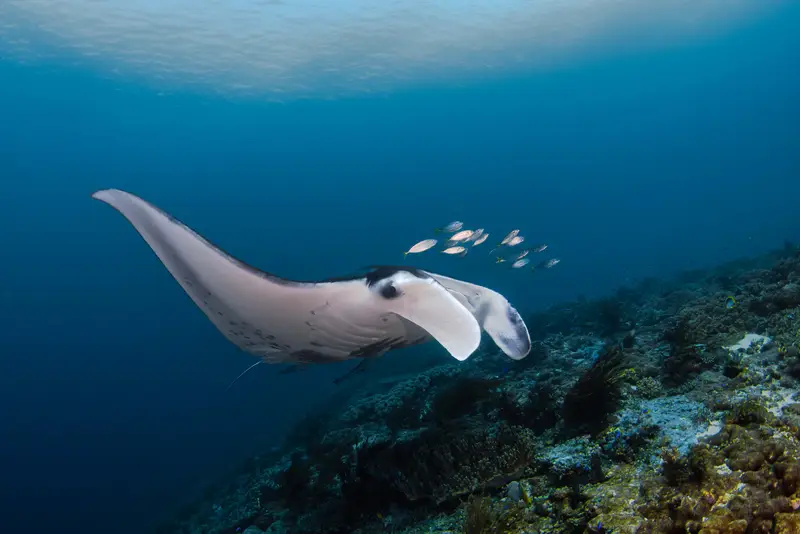
Blue Magic
oceanic manta ray · grey reef shark · spanish mackerel · schooling barracuda
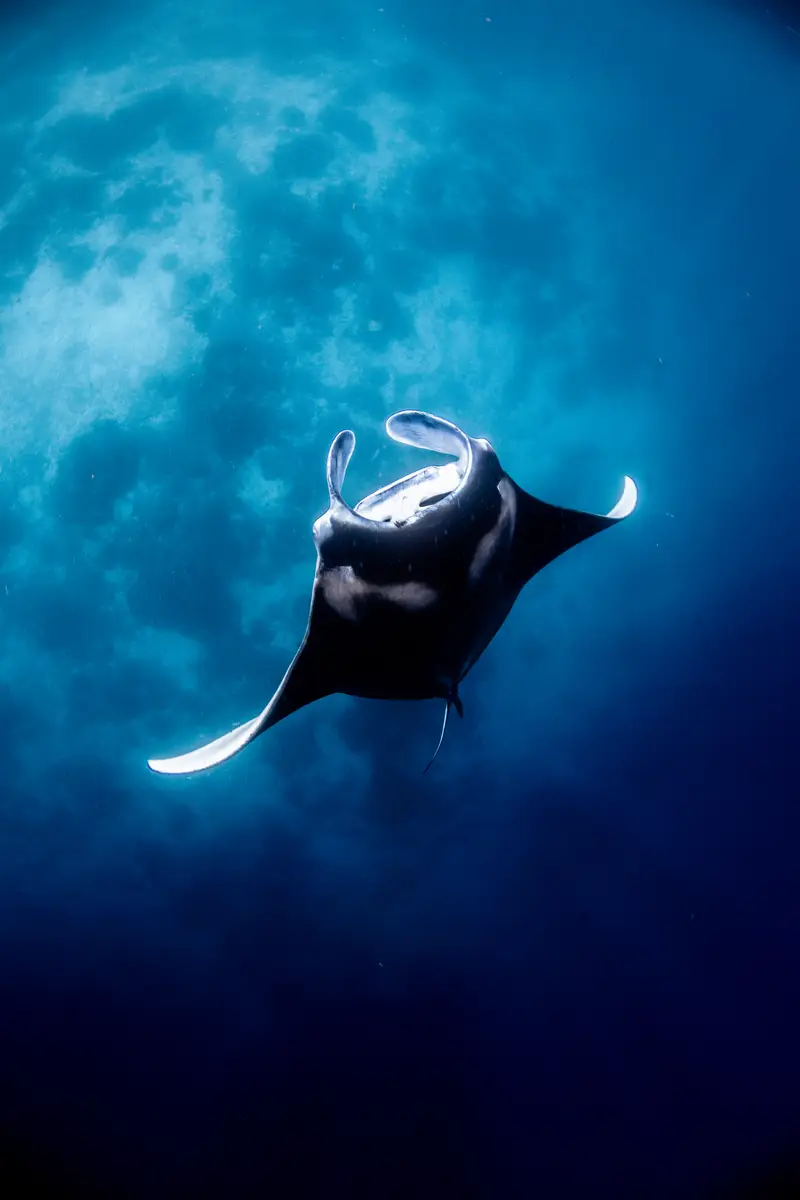
Manta Sandy
reef manta ray · cleaner wrasse · tasselled wobbegong · oblique-banded sweetlips
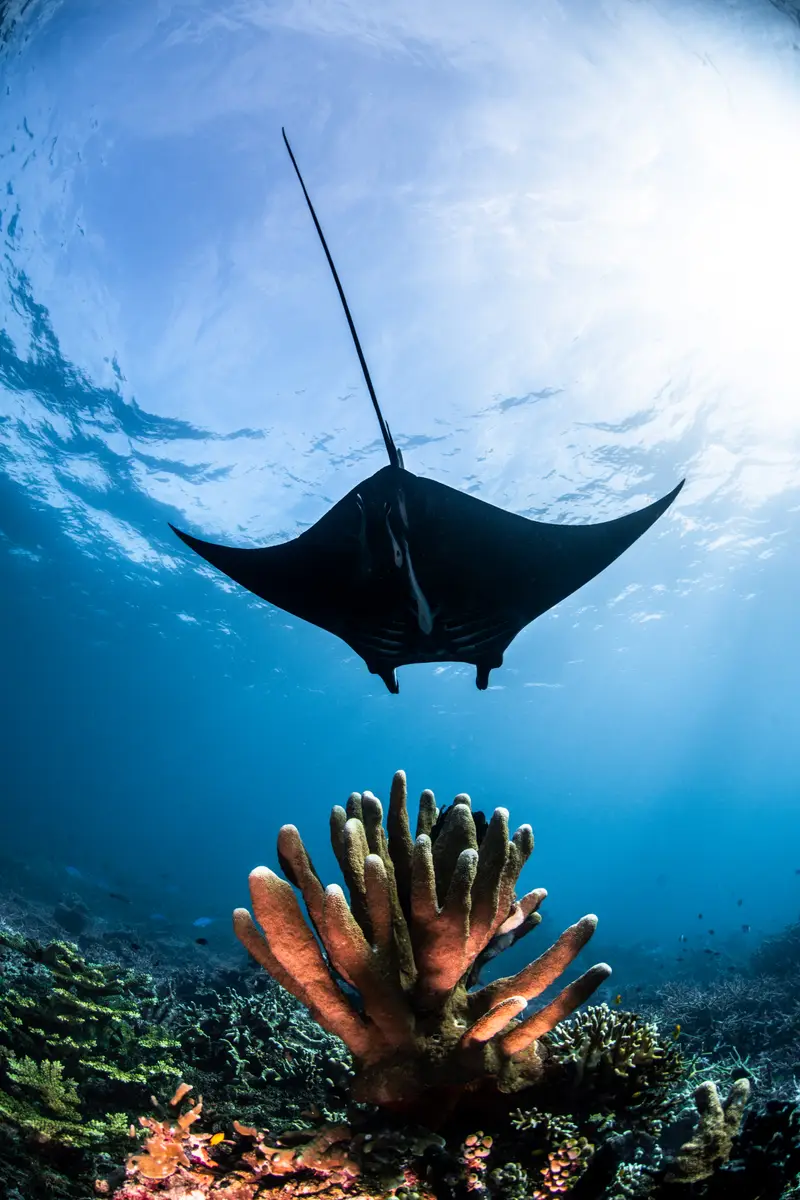
Magic Mountain (Shadow Reef)
oceanic manta ray · reef manta ray · grey reef shark · giant trevally
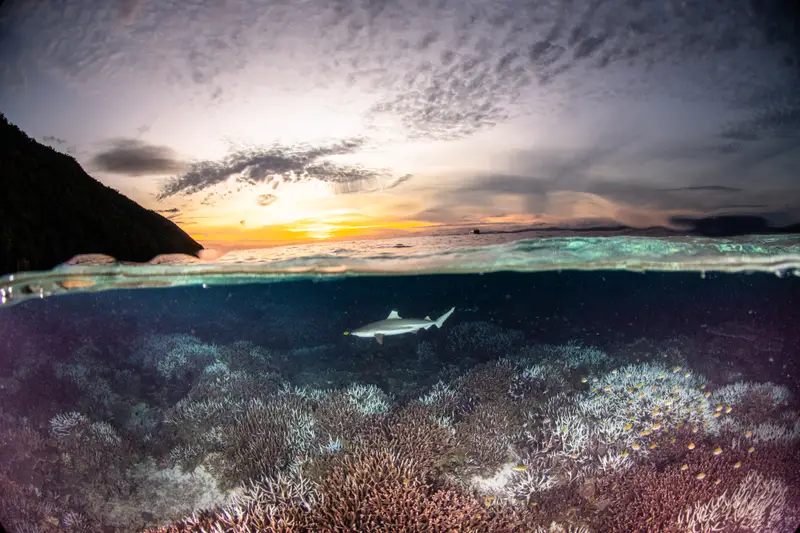
Japanese battleship Nagato
grey reef shark · tuna · barracuda · snapper
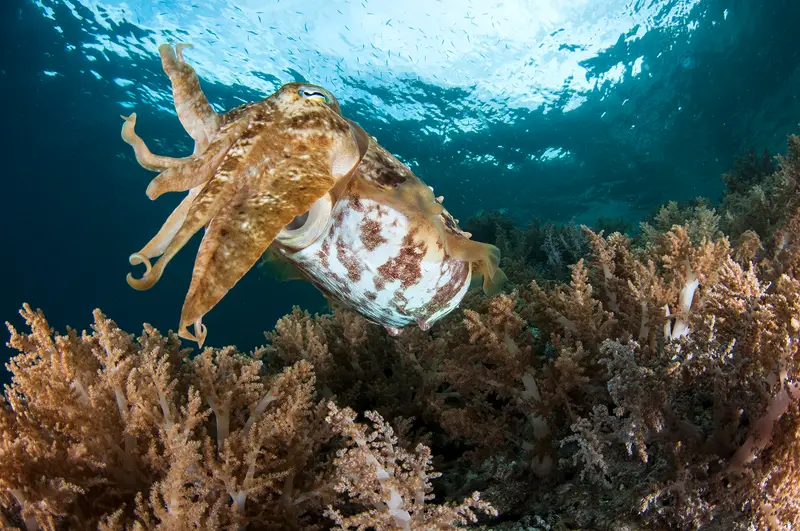
Ambon Bay
pygmy seahorse · ambon scorpionfish · flamboyant cuttlefish · orange-chinned parakeet
What divers say
I've dived 40 countries and Raja is the only place I've surfaced from a dive and immediately wanted to roll back in.
Cape Kri broke the species per dive record for a reason — there's literally not a square meter without something on it.
Good to know
Marine park fee
A one time tag (~IDR 1m / ~$65) is mandatory and goes to local communities. Keep it on you.
Cash is king
ATMs in Waisai are unreliable. Bring USD or IDR cash for tips, fees and incidentals.
Malaria
Raja is in a malaria zone. Talk to a travel clinic — most divers take prophylaxis.