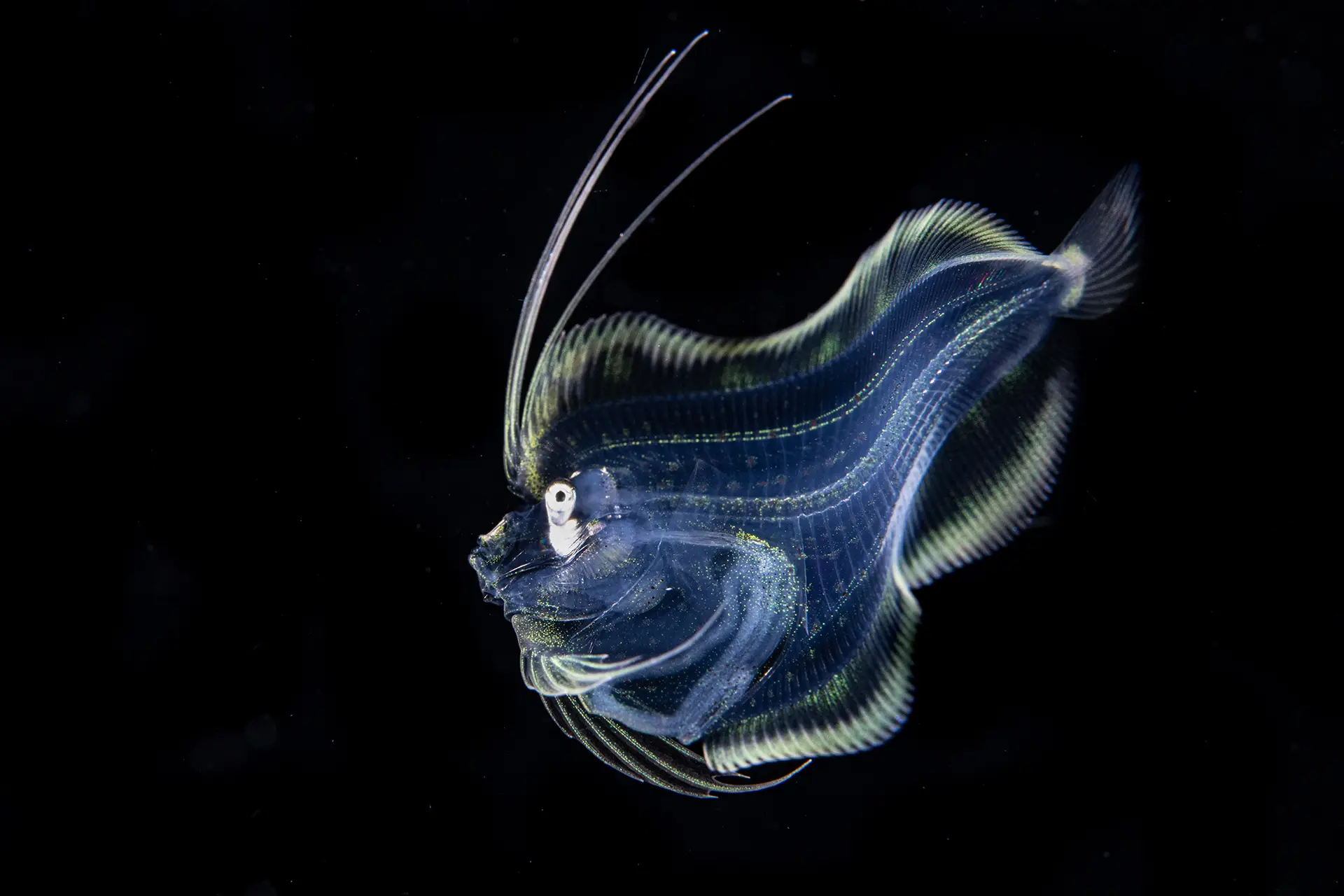
Pyramid Pinnacle
Kona Coast · United States
A Kona lava reef dive built around a hollow pinnacle, swim throughs and small arches, with schools of pyramid butterflyfish giving the site its name. The reef starts in recreational depths but drops toward deeper sand channels, so guides usually keep newer divers on the upper structure while advanced divers explore the darker ledges for eels, lobsters and cleaner shrimp.
Conditions
Depth
12 to 37 m
Advanced depths
Current
Usually gentle
Can pick up on the edge
Visibility
18 to 35 m
Clearest in the calm season
Water
24 to 28°C
3mm wetsuit or rash guard
Month by month
| Month | Jan | Feb | Mar | Apr | May | Jun | Jul | Aug | Sep | Oct | Nov | Dec |
|---|---|---|---|---|---|---|---|---|---|---|---|---|
| Water (°C) | 24 | 24 | 24 | 24 | 25 | 25 | 26 | 26 | 26 | 26 | 25 | 24 |
| Vis (m) | 15 | 15 | 15 | 18 | 18 | 18 | 18 | 18 | 18 | 18 | 15 | 15 |
| Current | Gentle | Gentle | Gentle | Gentle | Gentle | Gentle | Gentle | Gentle | Gentle | Gentle | Gentle | Gentle |
Your chances of seeing each animal
Hawaiian green sea turtle
Last confirmed Jul 4, 2026 · 426 records
Almost always
Nearly every dive
Pyramid butterflyfish
Last confirmed May 15, 2026 · 130 records
Almost always
Nearly every dive
Peacock flounder
Last confirmed Mar 31, 2026 · 16 records
Very likely
Most dives
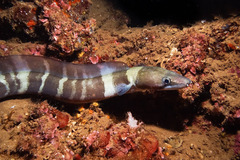
Conger eel
Last confirmed May 8, 2025 · 2 records
Likely
About 6 in 10 dives
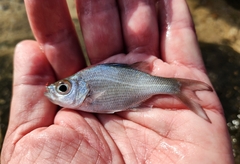
Hawaiian flagtail
Last confirmed Mar 24, 2026 · 3 records
Sometimes
About 1 in 3 dives
Gear
Basic kit
For this site
- Dive computer · The pinnacle has attractive deeper ledges and sand channels, so nitrogen loading can creep up if the group spends too long below 25 m.
- Small torch · A compact light helps reveal cleaner shrimp, lobster and eels under the lava ledges without turning the dive into an overhead penetration.