HMAS Hobart
Ningaloo Reef · Australia
The HMAS Hobart (D 39), a former Royal Australian Navy guided missile destroyer, was scuttled in 2002 to create an artificial reef. Lying upright in Yankalilla Bay, South Australia, the 134-meter wreck is a prominent dive site. Its accessible decks, bridge, and engine room, combined with the gun turrets and missile launchers, provide an intriguing exploration for advanced divers. The vessel's structure has become a vibrant habitat for temperate marine life, including schools of fish, blue devils, and various invertebrates, making it a significant attraction for wreck and marine life enthusiasts.
Conditions
Depth
10 to 30 m
Open water and up
Current
Usually gentle
Can pick up on the edge
Visibility
10 to 15 m
Clearest in the calm season
Water
13 to 22°C
5-7mm wetsuit
Month by month
| Month | Jan | Feb | Mar | Apr | May | Jun | Jul | Aug | Sep | Oct | Nov | Dec |
|---|---|---|---|---|---|---|---|---|---|---|---|---|
| Water (°C) | 19 | 19 | 18 | 17 | 16 | 14 | 13 | 13 | 14 | 15 | 17 | 18 |
| Vis (m) | 15 | 15 | 15 | 12 | 10 | 8 | 8 | 8 | 10 | 12 | 15 | 15 |
| Current | Gentle | Gentle | Gentle | Gentle | Gentle | Gentle | Gentle | Gentle | Gentle | Gentle | Gentle | Gentle |
Your chances of seeing each animal
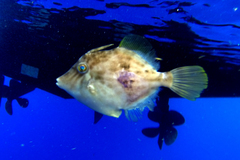
Leatherjackets
Last confirmed Apr 15, 2026 · 130 records
Almost always
Nearly every dive
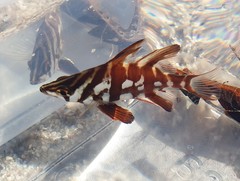
Old Wives
Last confirmed May 18, 2026 · 96 records
Almost always
Nearly every dive
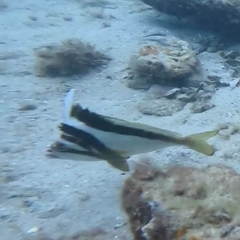
Morwong
Expected
Known here, not yet in recent logs
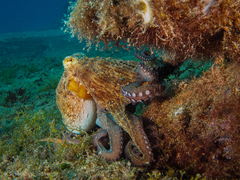
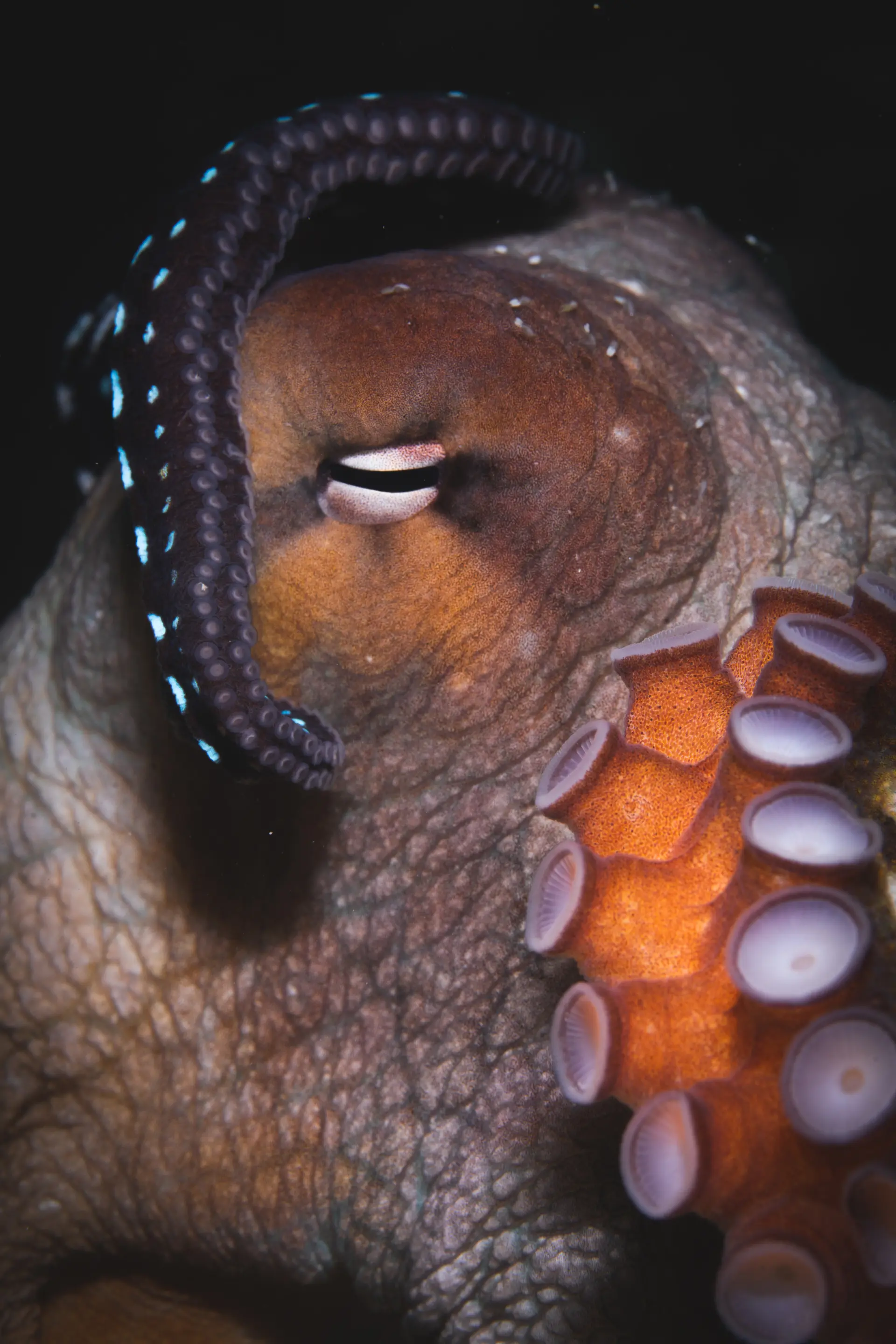
Octopus
Expected
Known here, not yet in recent logs
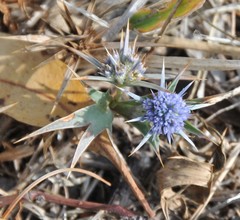
Blue Devils
Expected
Known here, not yet in recent logs
Gear