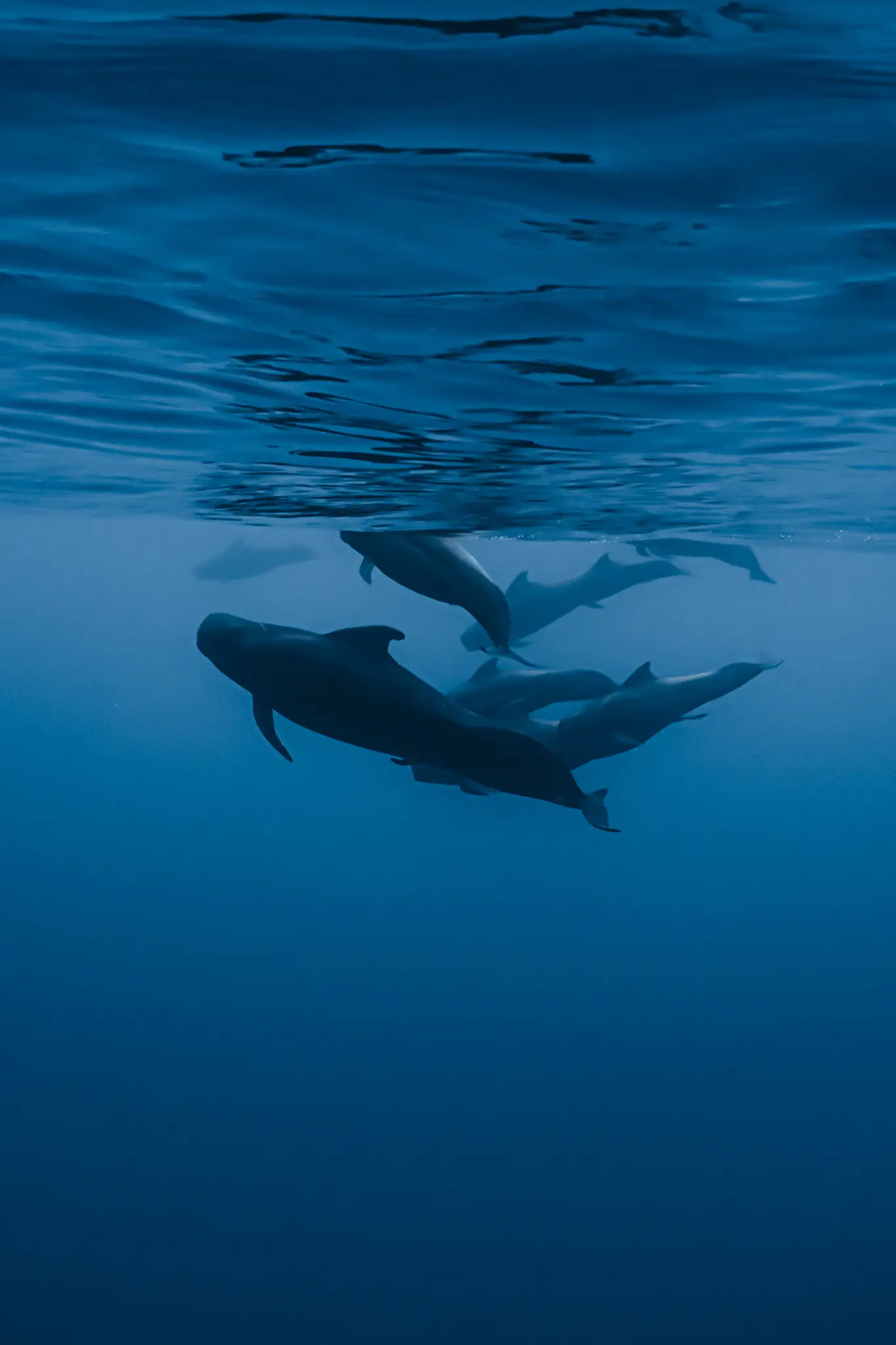
Kona Coast
United States · Hawaii
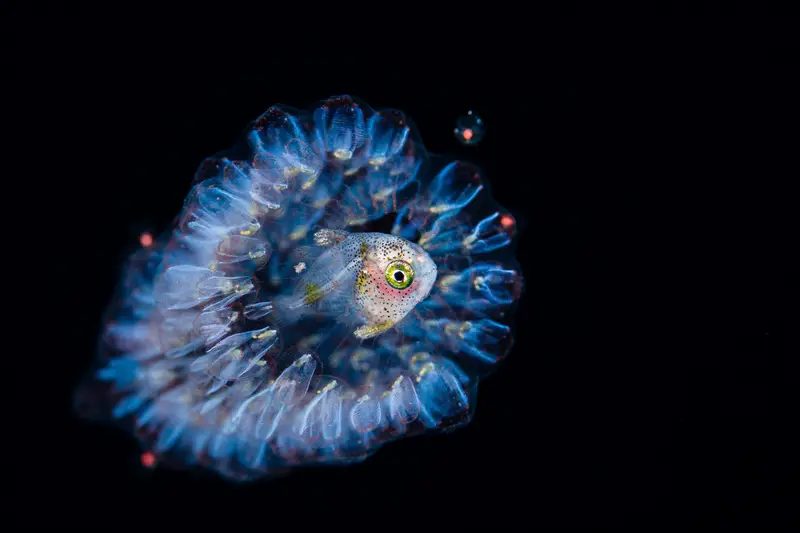
Kona on the Big Island of Hawai'i is one of the world's best manta dives — the Kona manta night dive, where mantas feed on plankton attracted by divers' lights — plus pelagic blackwater diving and reef sites along the leeward coast.
How this reef is doing
ⓘ How we measure thisReef state
Manta night dive and blackwater are both unchanged — those don't depend on coral. Day diving over reef shows recovery in patches. Worth going for the pelagic experiences alone.
Coral cover
Fish life
Heat
Warmer than usual right now, but not hot enough to bleach.
Fishing
Protected on paper, but boats are still busy nearby.
Sources · Reef survey · NOAA Coral Reef Watch · Global Fishing Watch and reef gravity
Coral cover over time
Live coral cover, by survey year
Across surveys in 2014 and 2024, live coral cover here has fallen from 36% to 29%. Every point is a real survey reading, never a projection.
Live coral cover, percent by year
| Year | Coral cover |
|---|---|
| 2014 | 36% |
| 2024 | 29% |
What you will see
33 species across the dive sites here
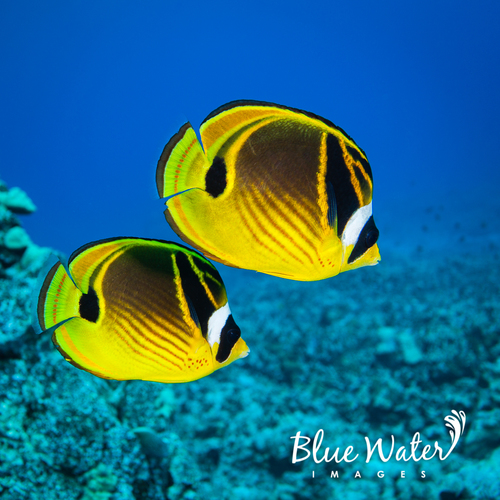
Raccoon butterflyfish
Seen 2 months ago
at Molokini Crater
Least concern
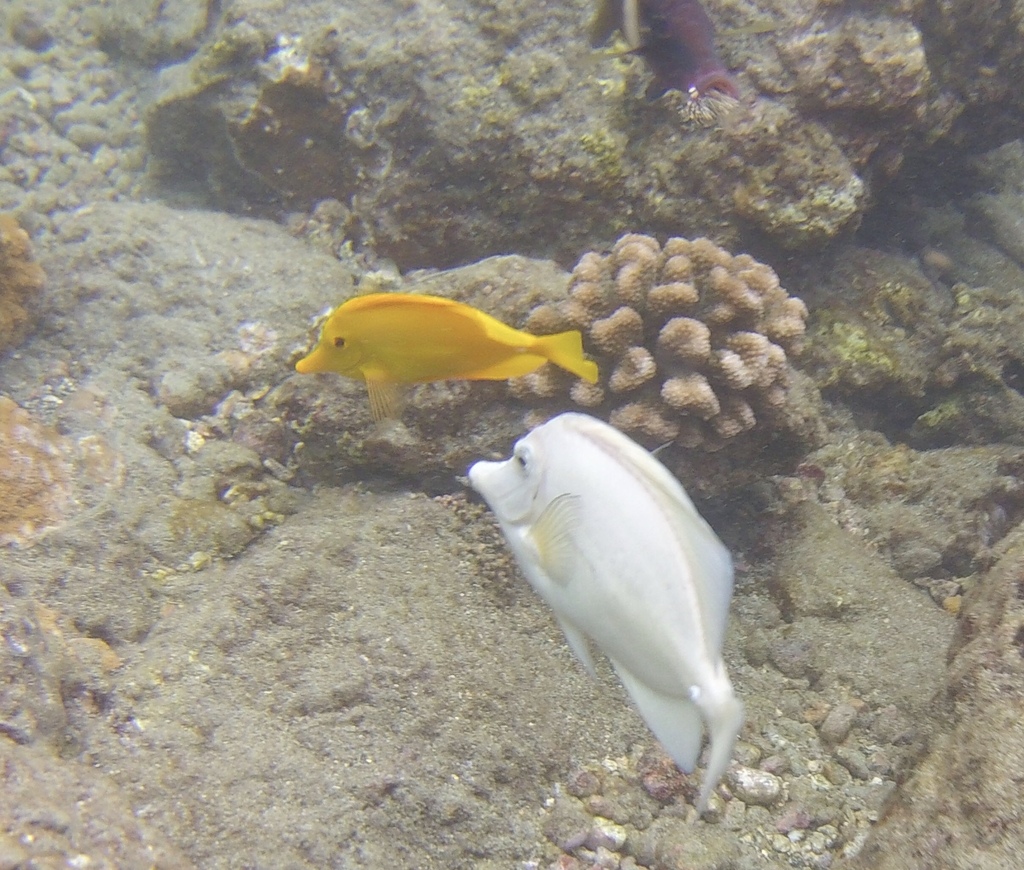
Yellow tang
Seen 2 months ago
at Molokini Crater
Least concern
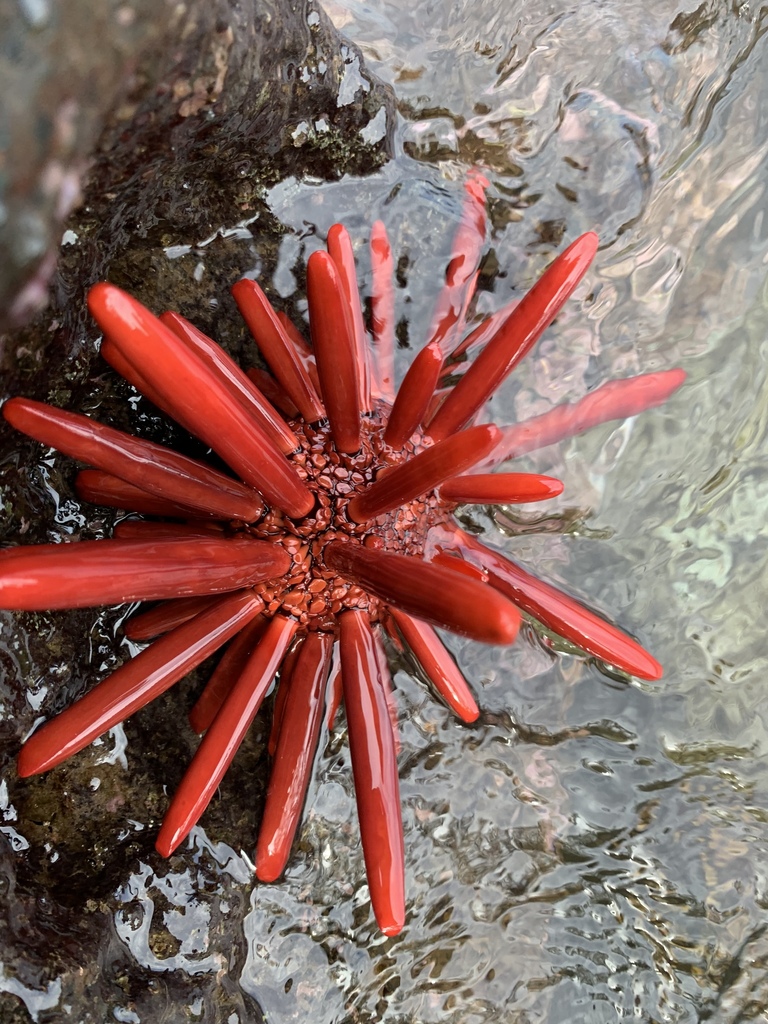
Red pencil urchin
Seen 2 months ago
at Molokini Crater
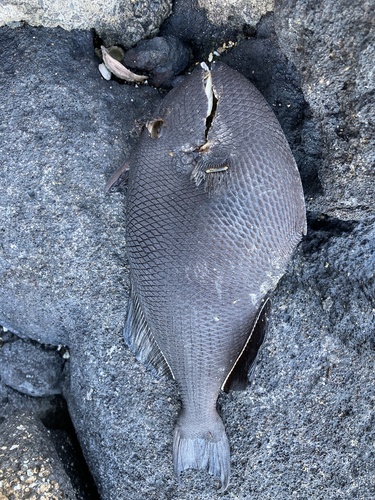
Black durgon
Seen 2 months ago
at Molokini Crater
Least concern
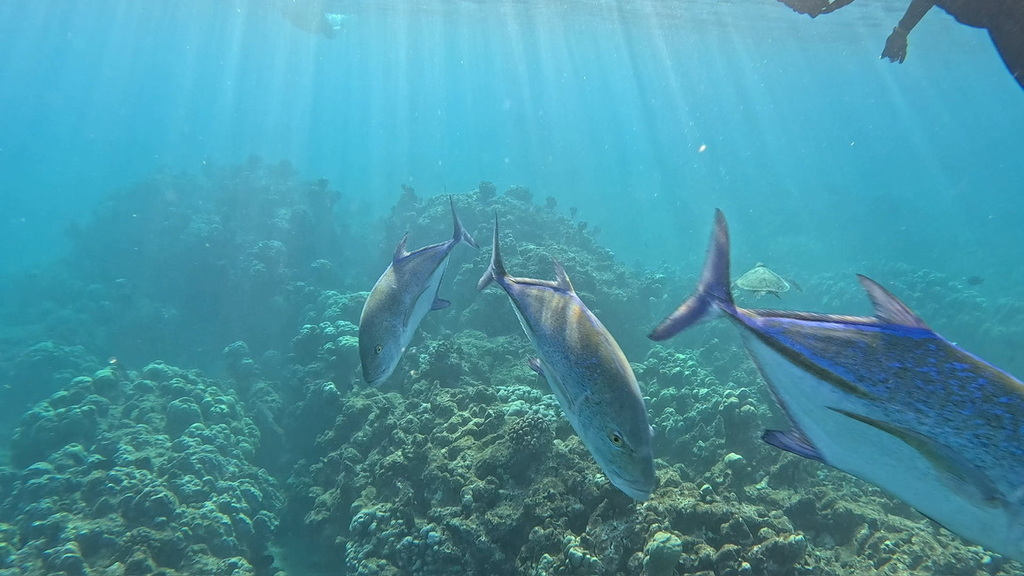
Bluefin trevally
Seen 2 months ago
at Molokini Crater
Least concern
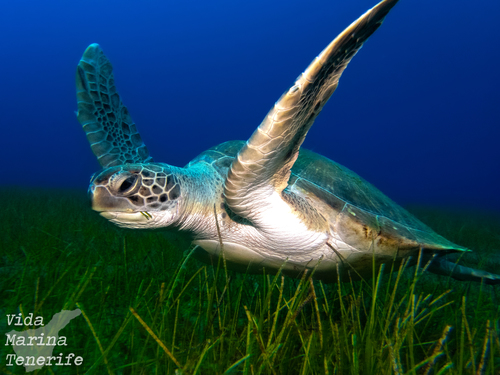
Green Sea Turtle
Seen 2 months ago
at Manta Heaven Night Dive
Least concern
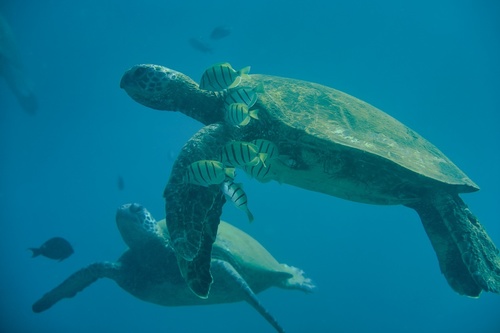
Hawaiian green sea turtle
Seen 2 months ago
at Turtle Pinnacle
Least concern
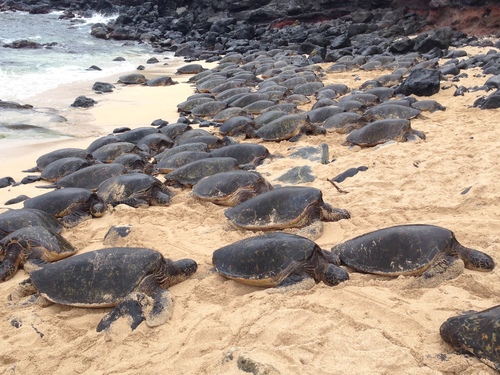
Hawaiian green turtle
Seen 2 months ago
at Pinnacle Au Au Crater
Least concern
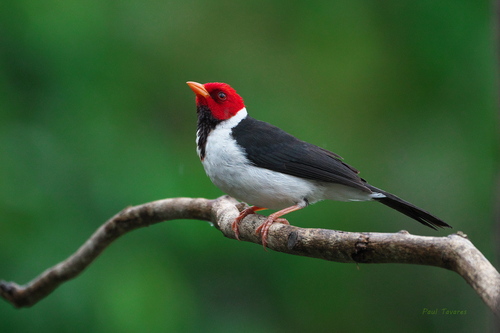
Yellow-Billed Cardinal
Seen 2 months ago
at Manta Heaven Night Dive
Least concern
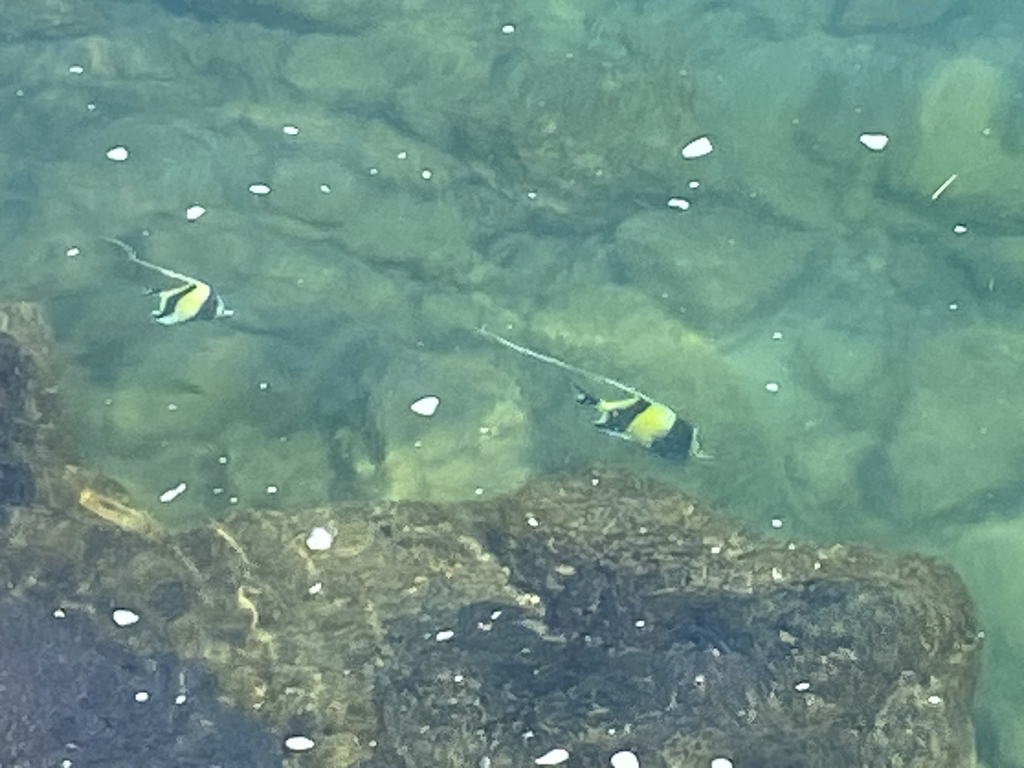
Moorish idol
Seen 2 months ago
at Molokini Crater
Least concern
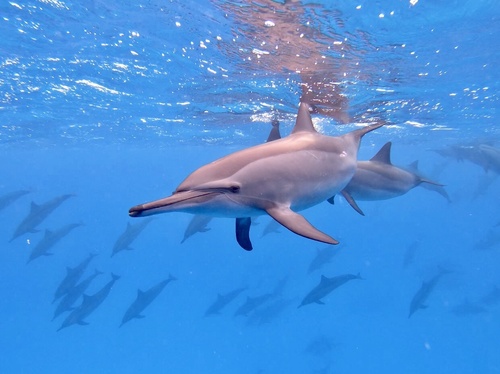
Spinner dolphin
Seen 2 months ago
at Pinnacle Au Au Crater
Least concern
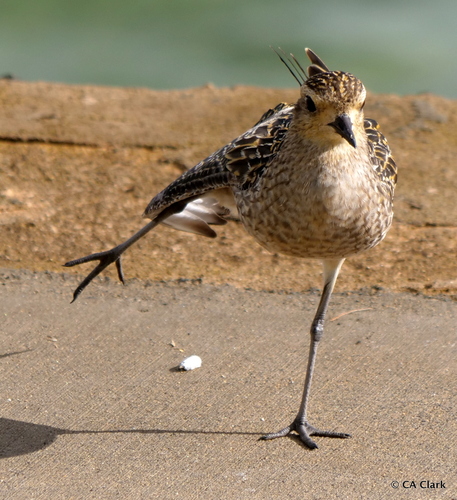
Pacific Golden-Plover
Seen 3 months ago
at Manta Heaven Night Dive
Least concern
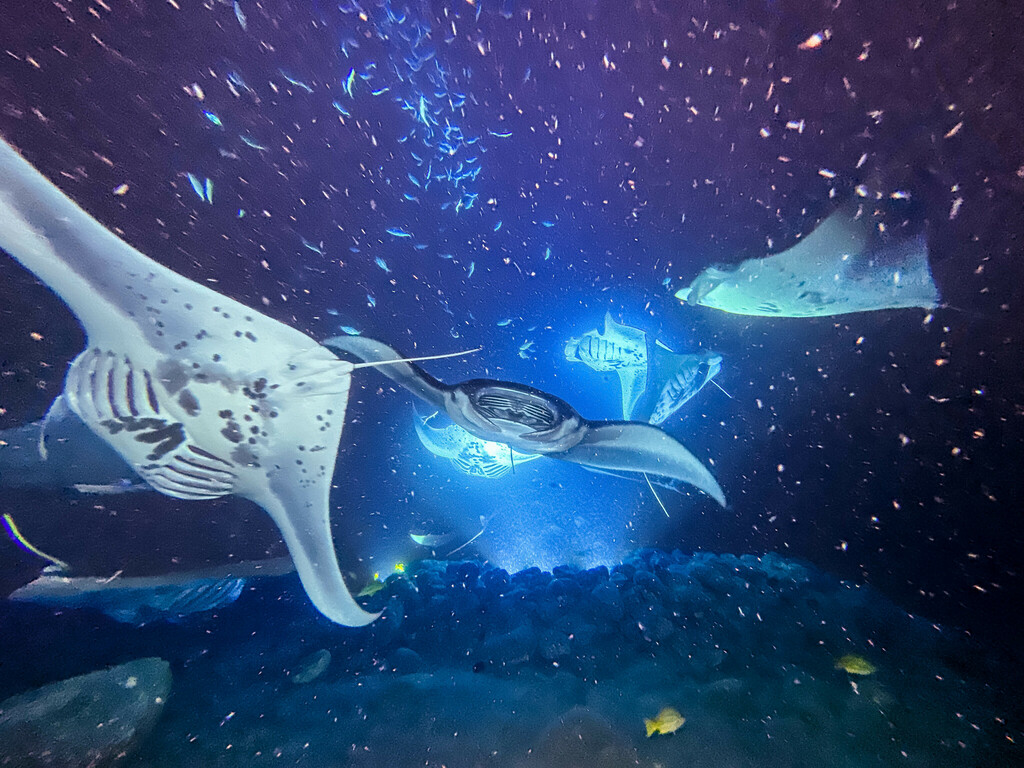
Reef manta ray
Seen 3 months ago
at Turtle Pinnacle
Vulnerable
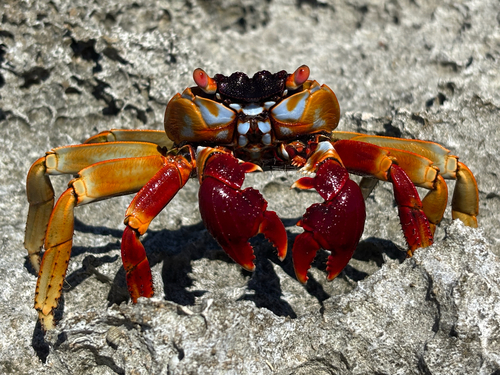
Thin-Shelled Rock Crab
Seen 3 months ago
at Manta Heaven Night Dive
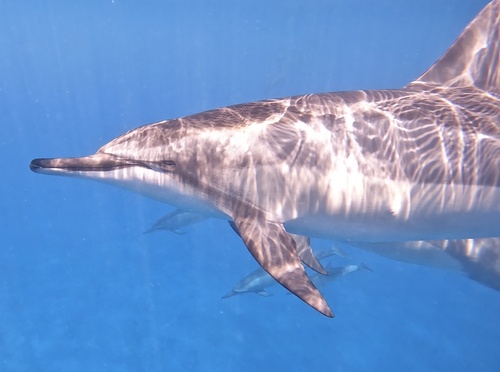
Hawaiian spinner dolphin
Seen 3 months ago
at First Cathedral
Least concern
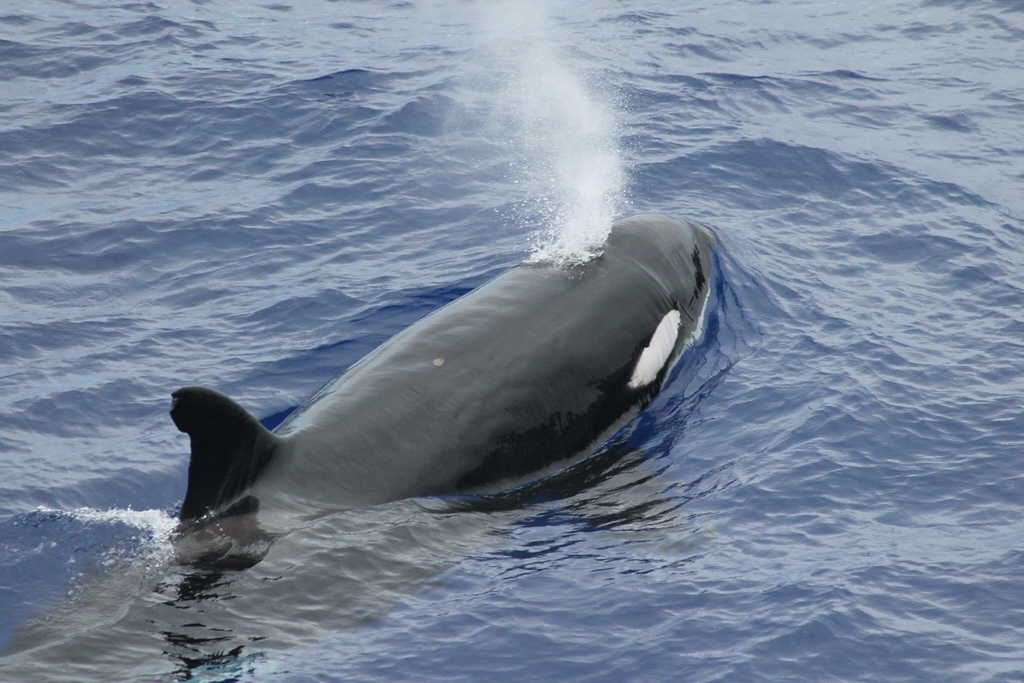
Pilot whale
Seen 4 months ago
at Pinnacle Au Au Crater
Least concern
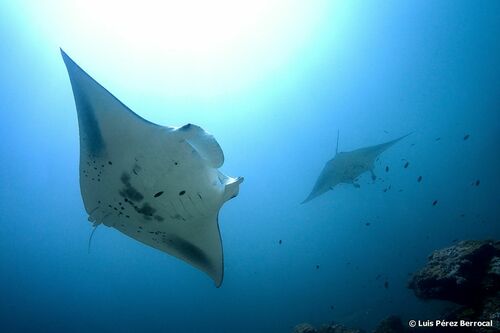
Reef manta
Seen 4 months ago
at Manta Heaven Night Dive
Vulnerable
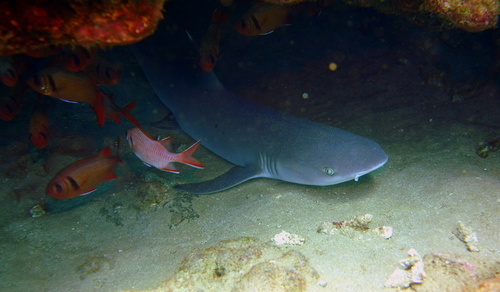
Whitetip reef shark
Seen 4 months ago
at Molokini Crater
Vulnerable
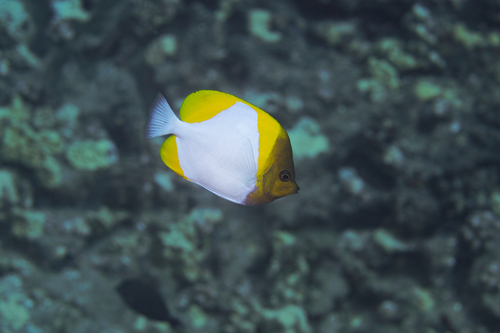
Pyramid butterflyfish
Seen 4 months ago
at Pyramid Pinnacle
Least concern
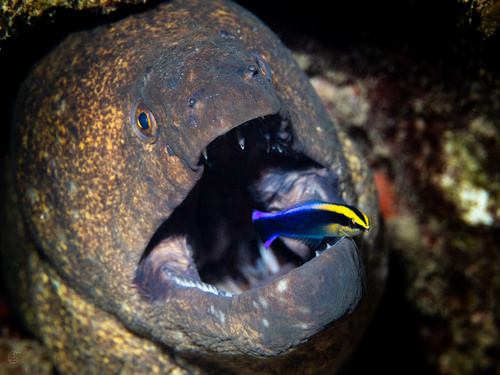
Hawaiian cleaner wrasse
Seen 5 months ago
at Turtle Pinnacle
Least concern
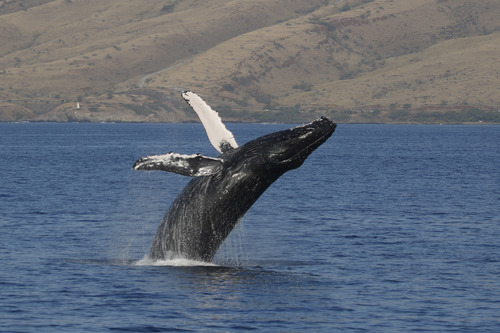
Humpback whale
Seen 5 months ago
at Molokini Crater
Least concern
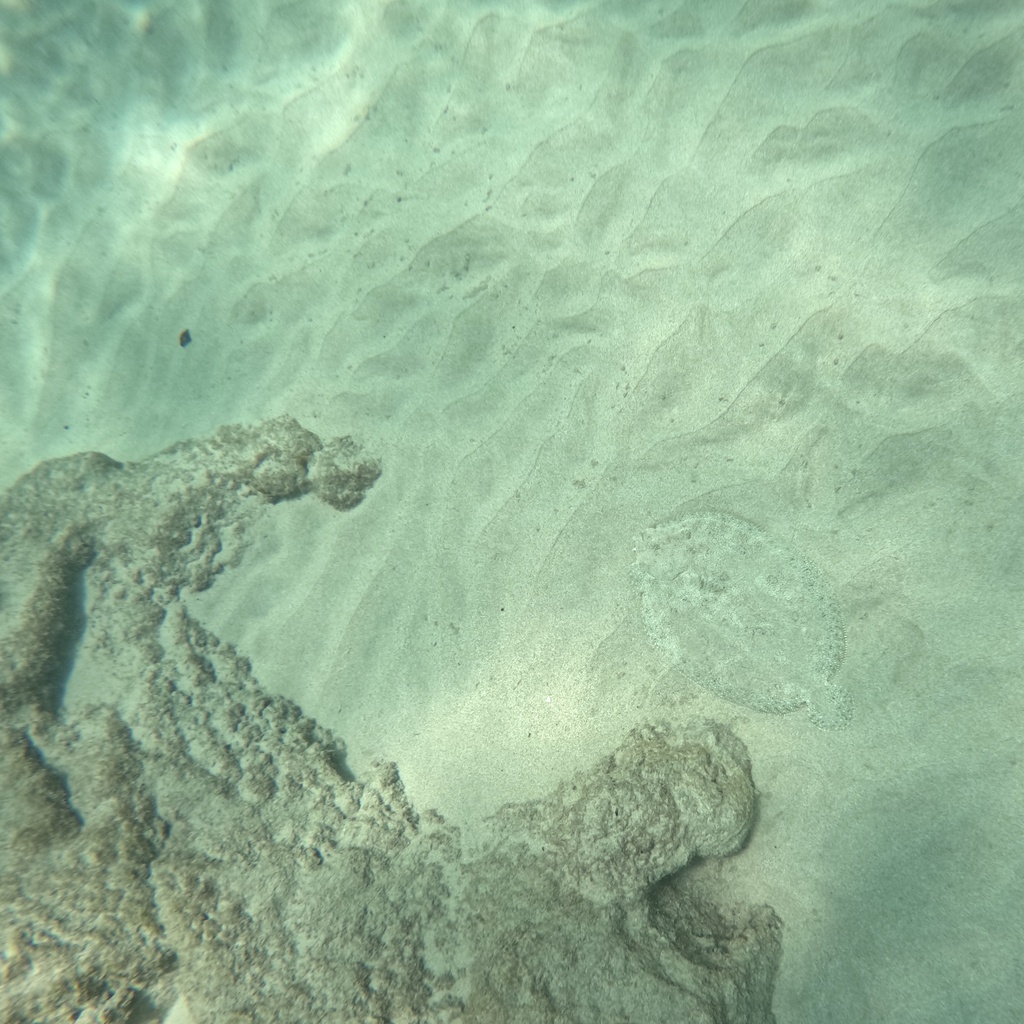
Peacock flounder
Seen 6 months ago
at Pyramid Pinnacle
Least concern
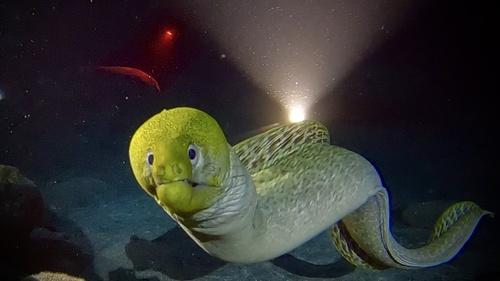
Undulated moray
Seen 6 months ago
at Manta Ray Night Dive (Garden Eel Cove)
Least concern
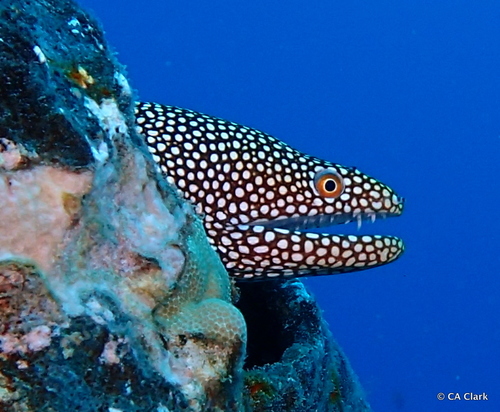
Whitemouth moray
Seen 6 months ago
at Turtle Pinnacle
Least concern
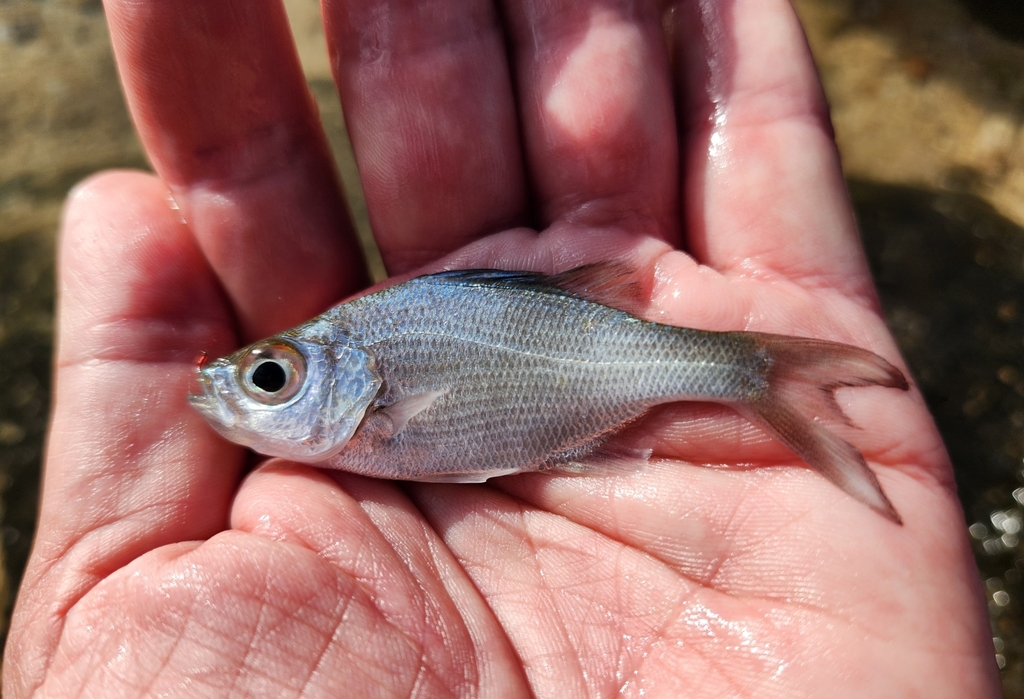
Hawaiian flagtail
Seen 6 months ago
at Pyramid Pinnacle
Hawaiian whitetip reef shark
Seen 6 months ago
at Manta Heaven Night Dive
Vulnerable
Bluestripe snapper
Seen 10 months ago
at First Cathedral
Least concern
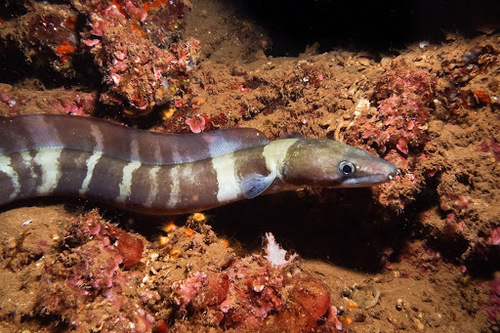
Conger eel
Seen May 2025
at Pyramid Pinnacle
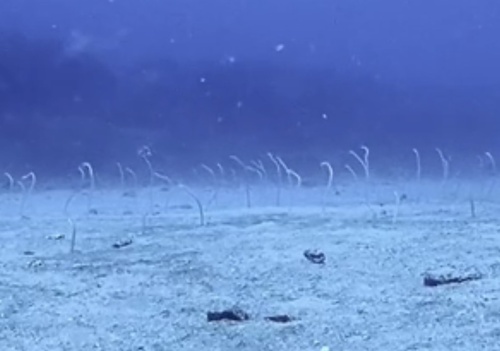
Hawaiian garden eel
Seen May 2025
at Manta Ray Night Dive (Garden Eel Cove)
Least concern
Garden eel
Seen year round
at Pinnacle Au Au Crater
Least concern
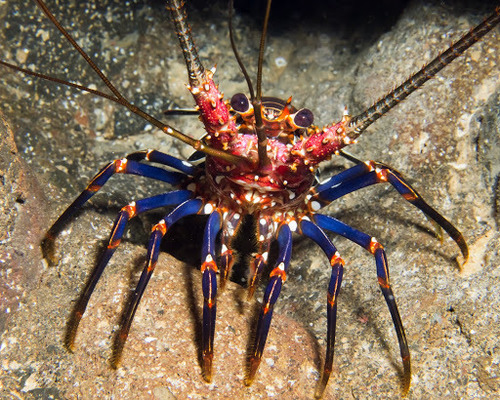
Hawaiian spiny lobster
Seen year round
at First Cathedral
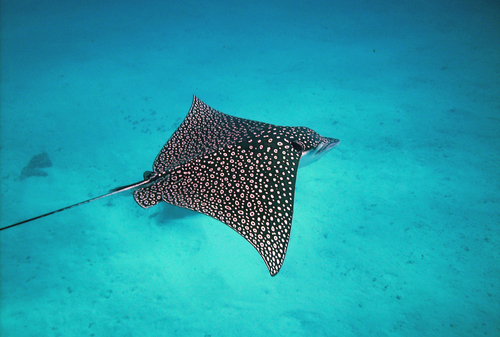
Spotted eagle ray
Seen year round
at Molokini Crater
Endangered
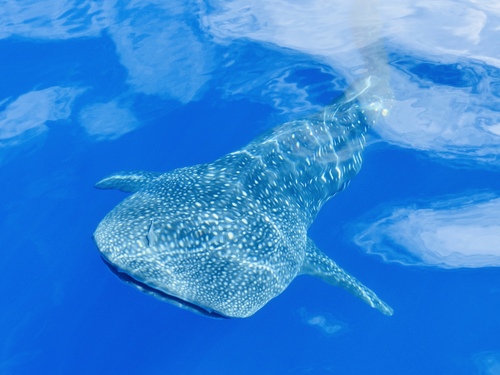
Whale shark
Rare sighting
at Molokini Crater
Endangered
Dive sites
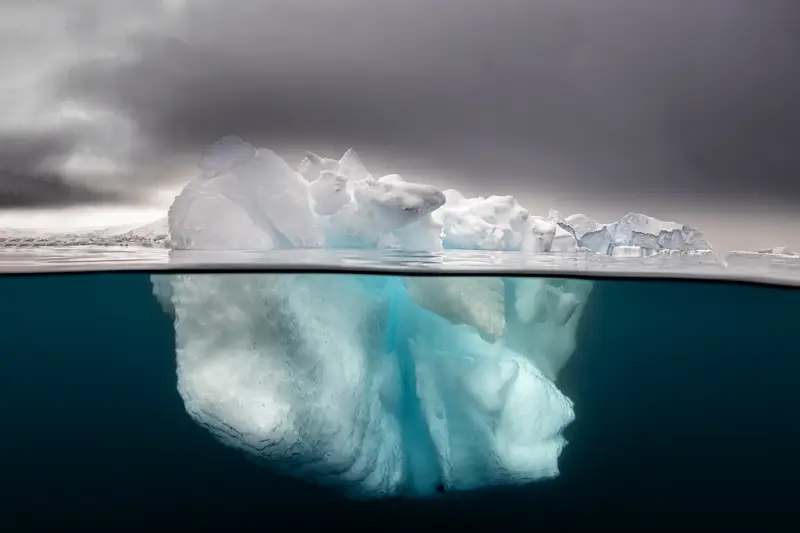
Manta Heaven Night Dive
reef manta ray · hawaiian whitetip reef shark · green sea turtle · yellow-billed cardinal
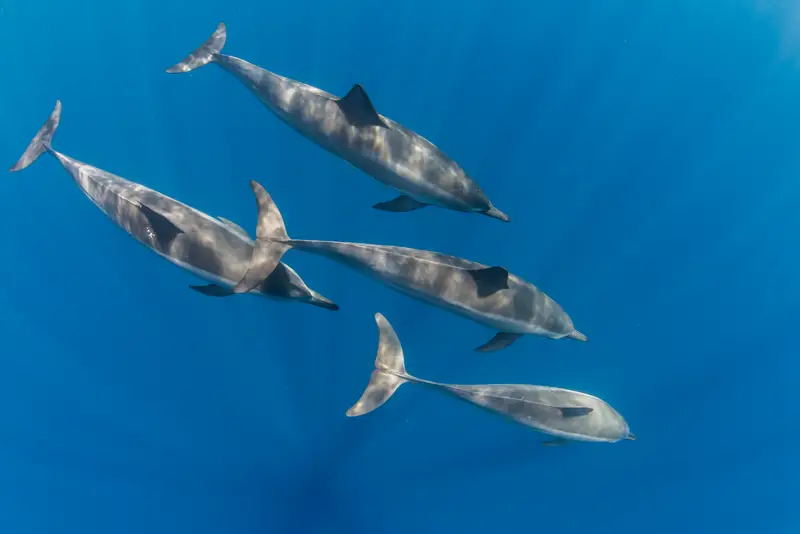
Pinnacle Au Au Crater
spinner dolphin · pilot whale · garden eel · hawaiian green turtle
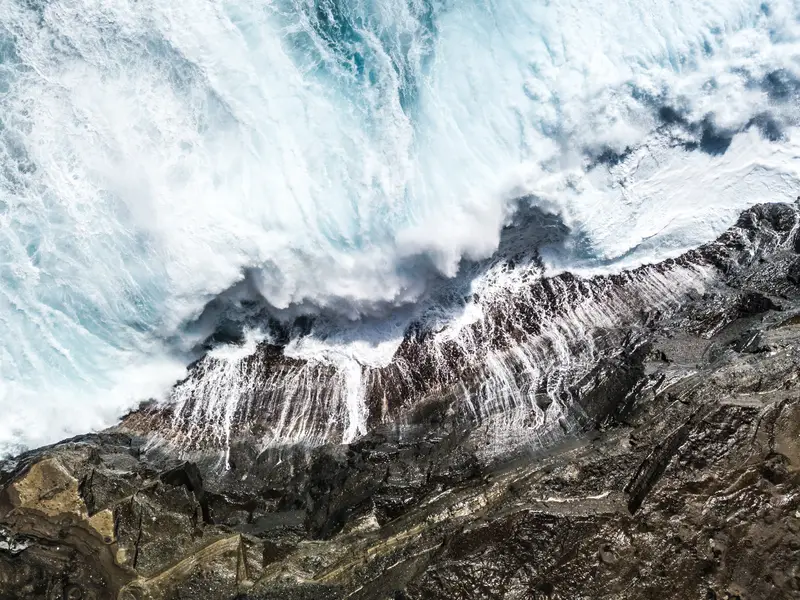
Turtle Pinnacle
hawaiian green sea turtle · hawaiian cleaner wrasse · yellow tang · whitemouth moray
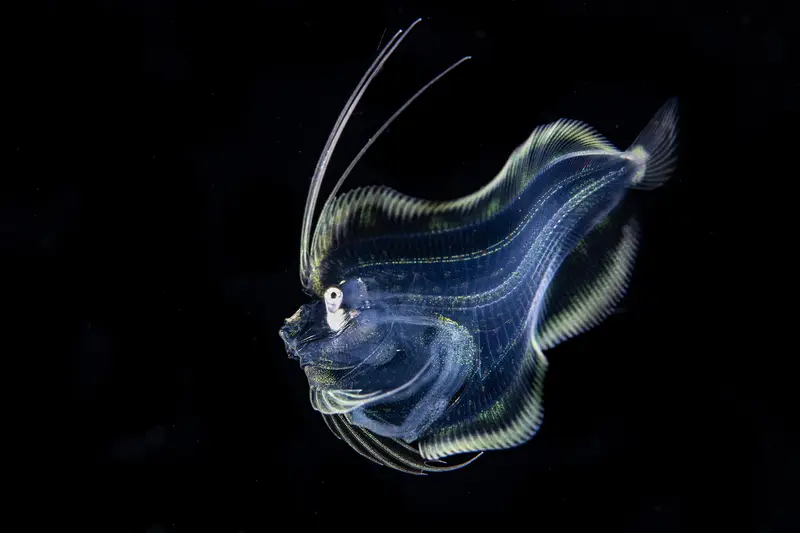
Pyramid Pinnacle
pyramid butterflyfish · hawaiian green sea turtle · conger eel · hawaiian flagtail
Molokini Crater
bluefin trevally · yellow tang · black durgon · moorish idol
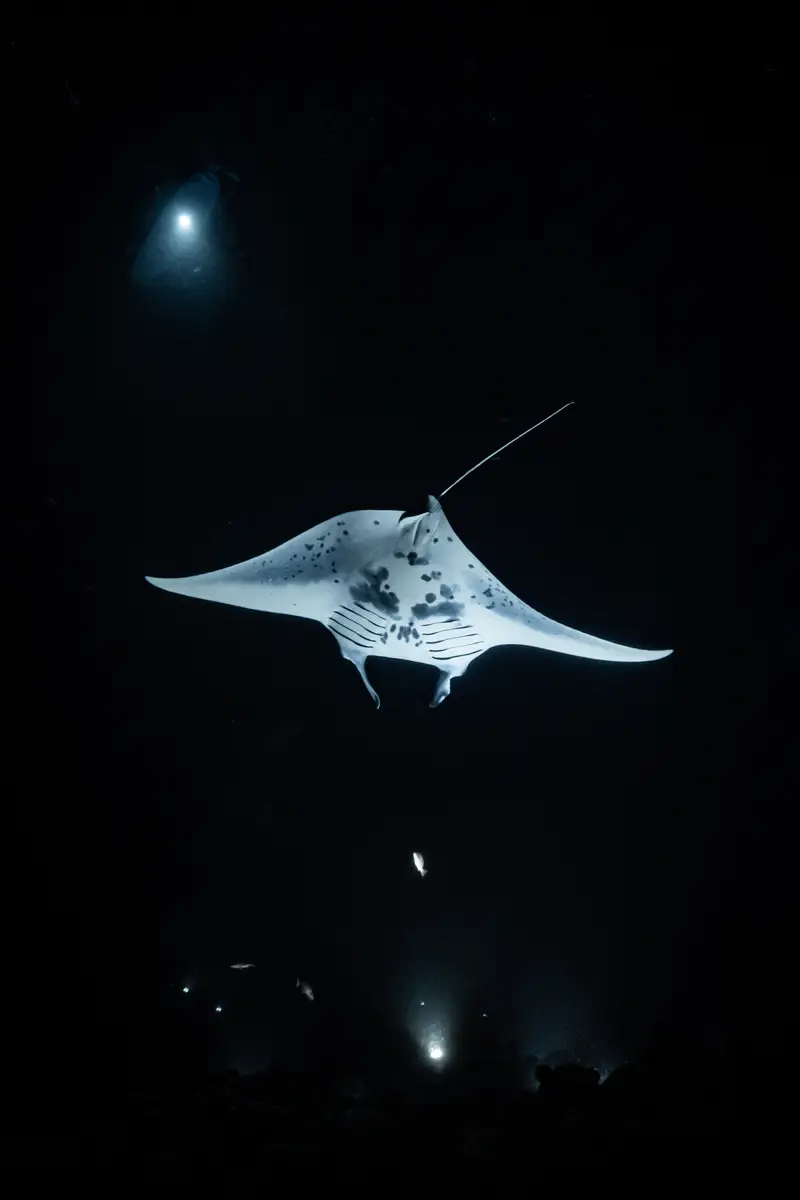
Manta Ray Night Dive (Garden Eel Cove)
reef manta ray · hawaiian garden eel · undulated moray · green sea turtle
What divers say
A manta with a 4m wingspan barrel rolling six inches from my mask in a halo of light — the Kona night dive is on the bucket list for a reason.
Good to know
Blackwater
Offshore drift in 3,000m of water at night, looking at planktonic critters. Once-in-a-life experience.