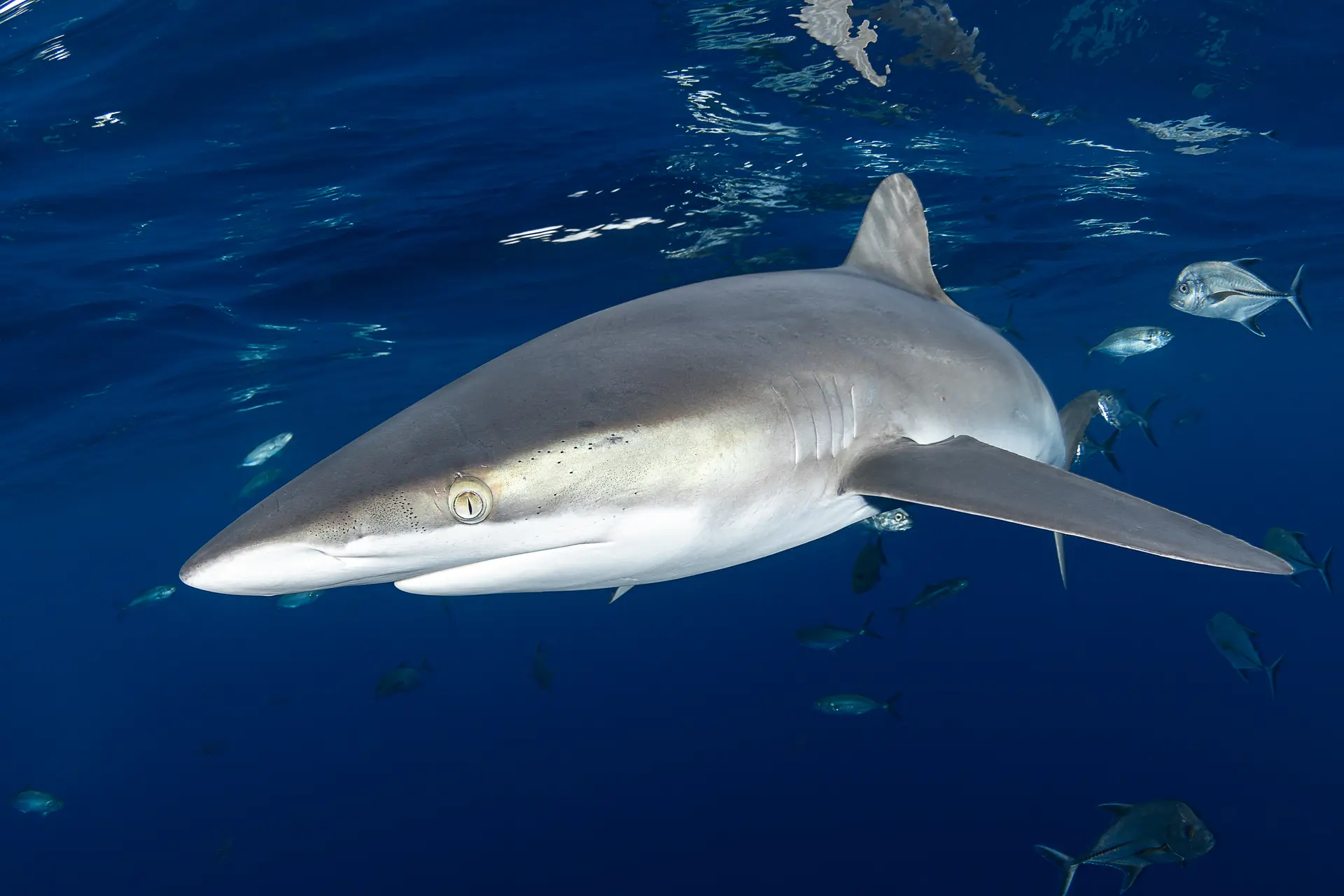
Malpelo Island
Colombia · Eastern Pacific
Malpelo is a UNESCO World Heritage rock 500km off Colombia's Pacific coast — schooling hammerheads, silky sharks, the rare smalltooth sand tiger, and the largest known aggregation of hammerheads in the Eastern Pacific. Liveaboard-only with a 36-hour crossing.
Santuario de Fauna y Flora de Malpelo
Platinum tier · Awarded 2017
How this reef is doing
ⓘ How we measure thisReef state
Inside this fully protected sanctuary reef fish biomass reaches about 879 grams per square metre, among the highest in the Tropical Eastern Pacific and dominated by large predators (Quimbayo et al. 2016); the state shown reflects coral under recent heat stress rather than the fish community.
Coral cover
Fish life
More fish than a healthy reef of its kind.
Heat
Hot enough that coral is bleaching now.
Fishing
Quiet water, and fishing is fully banned here.
Sources · Reef survey · Reef Life Survey · NOAA Coral Reef Watch · Global Fishing Watch and reef gravity
Coral cover over time
Live coral cover, by survey year
Across surveys in 2014 and 2024, live coral cover here has fallen from 32% to 27%. Every point is a real survey reading, never a projection.
Live coral cover, percent by year
| Year | Coral cover |
|---|---|
| 2014 | 32% |
| 2024 | 27% |
What you will see
11 species across the dive sites here
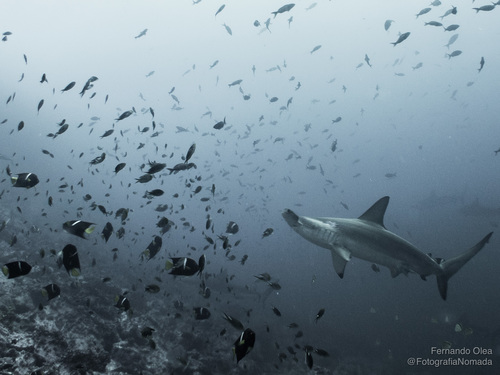
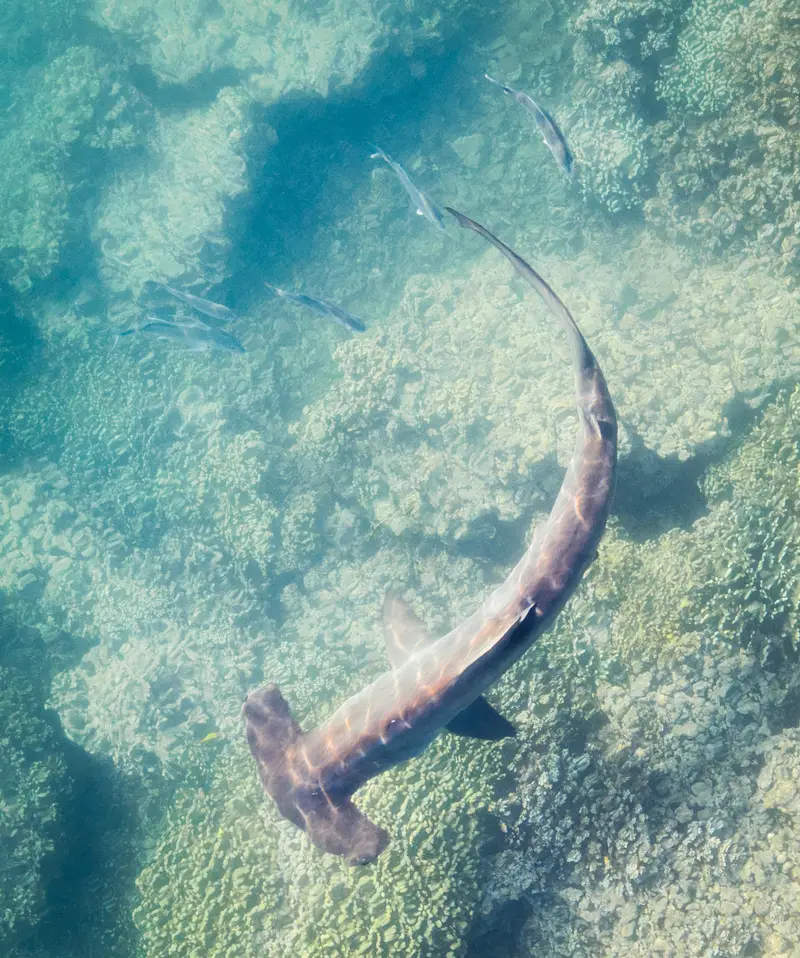
Scalloped hammerhead shark
Seen 5 months ago
at La Nevera (The Refrigerator)
Critically endangered
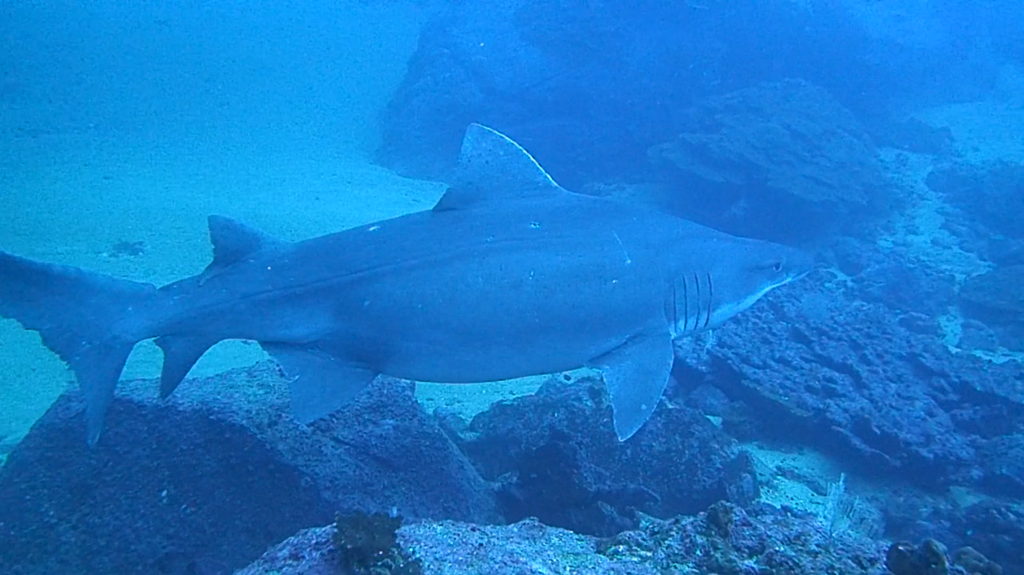
Smalltooth sand tiger shark
Seen 6 months ago
at El Monstruo (Bajo del Monstruo)
Endangered
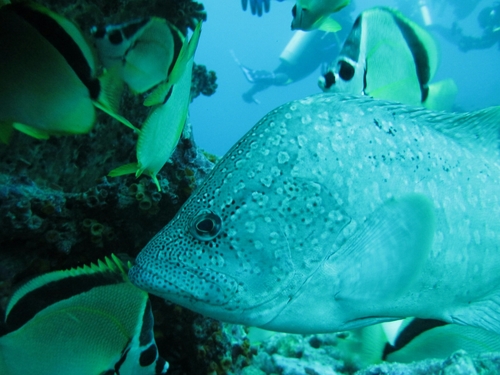
Leather bass
Seen Jun 2025
at El Monstruo (Bajo del Monstruo)
Least concern
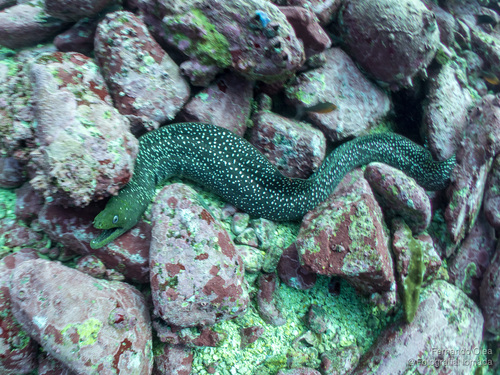
Fine-spotted moray eel
Seen Mar 2025
at El Monstruo (Bajo del Monstruo)
Least concern
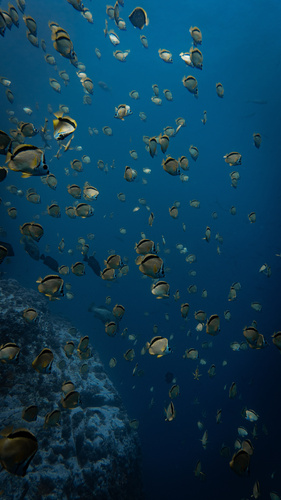
Barberfish (cleaner butterflyfish)
Seen Mar 2025
at El Monstruo (Bajo del Monstruo)
Least concern
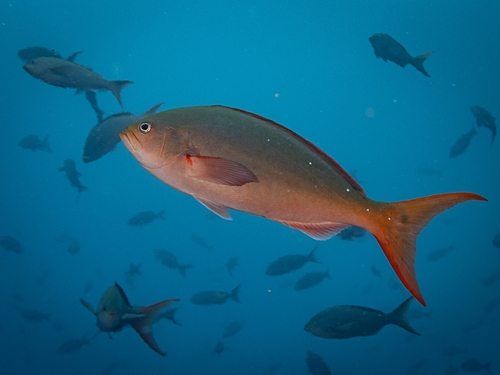
Pacific creolefish
Seen Mar 2025
at La Nevera (The Refrigerator)
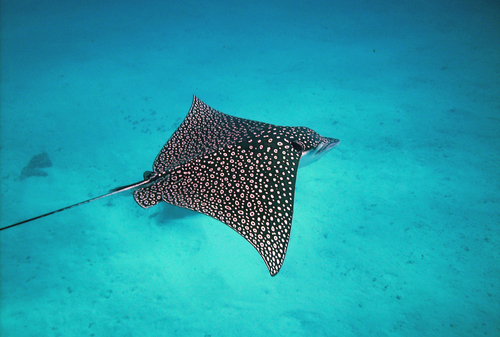
Spotted eagle ray
Seen Mar 2025
at La Nevera (The Refrigerator)
Endangered
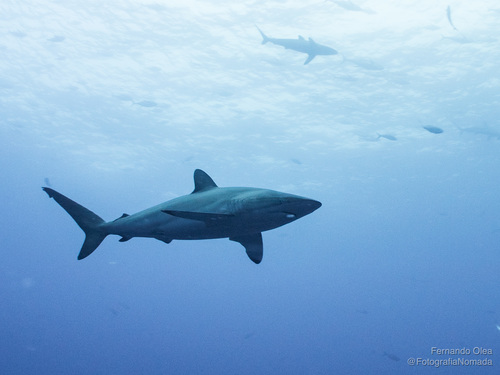
Silky shark
Seen Jan 2025
at El Monstruo (Bajo del Monstruo)
Vulnerable
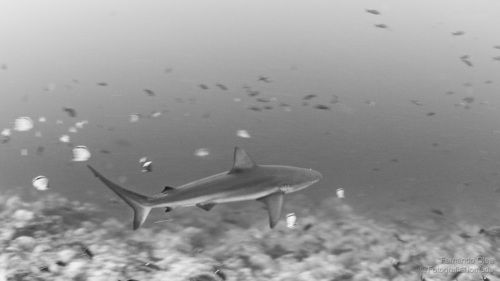
Galapagos shark
Seen Jan 2025
at El Monstruo (Bajo del Monstruo)
Least concern
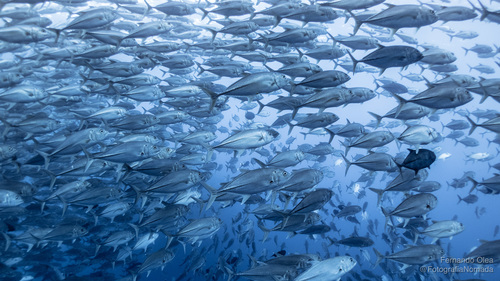
Bigeye trevally
Seen Jan 2024
at La Nevera (The Refrigerator)
Least concern
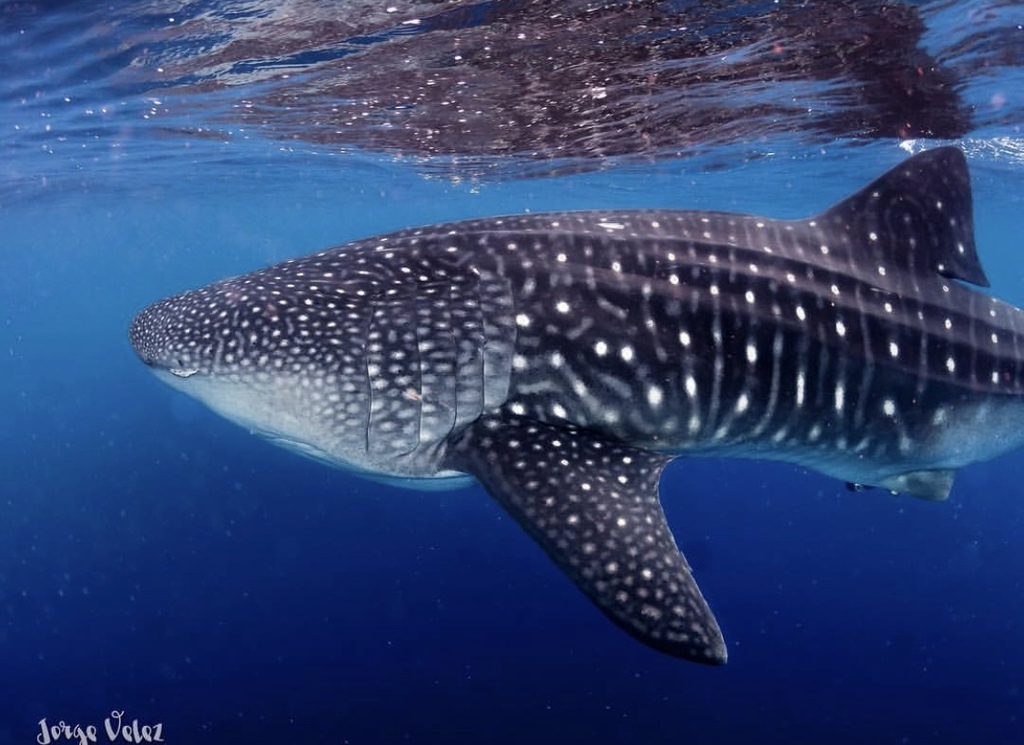
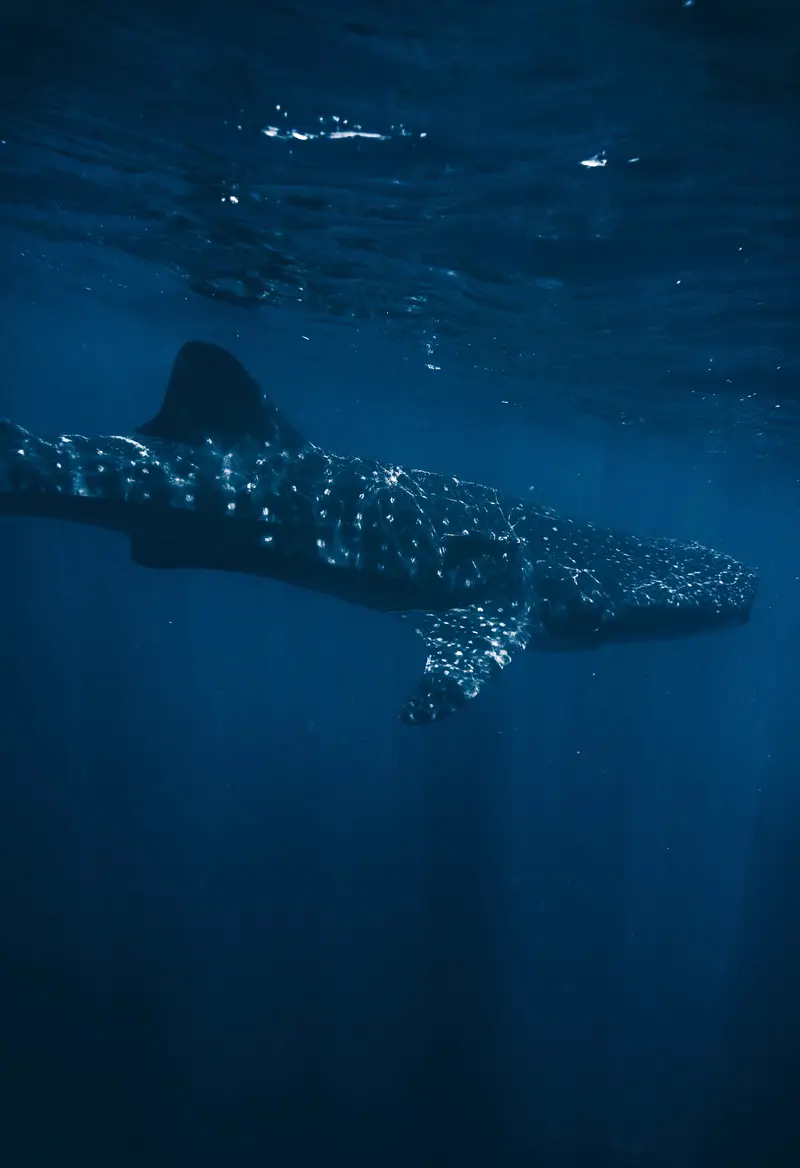
Whale shark
Seen Jan 2024
at La Nevera (The Refrigerator)
Endangered
Dive sites
What divers say
Pacific Colombia's Galápagos. Same hammerheads, half the divers, deeper culture.
Good to know
Crossing
36h each way from Buenaventura. Pre-medicate.
Permits
Limited vessels permitted; book 12+ months ahead.